
Gold still does the heavy lifting for Alamos
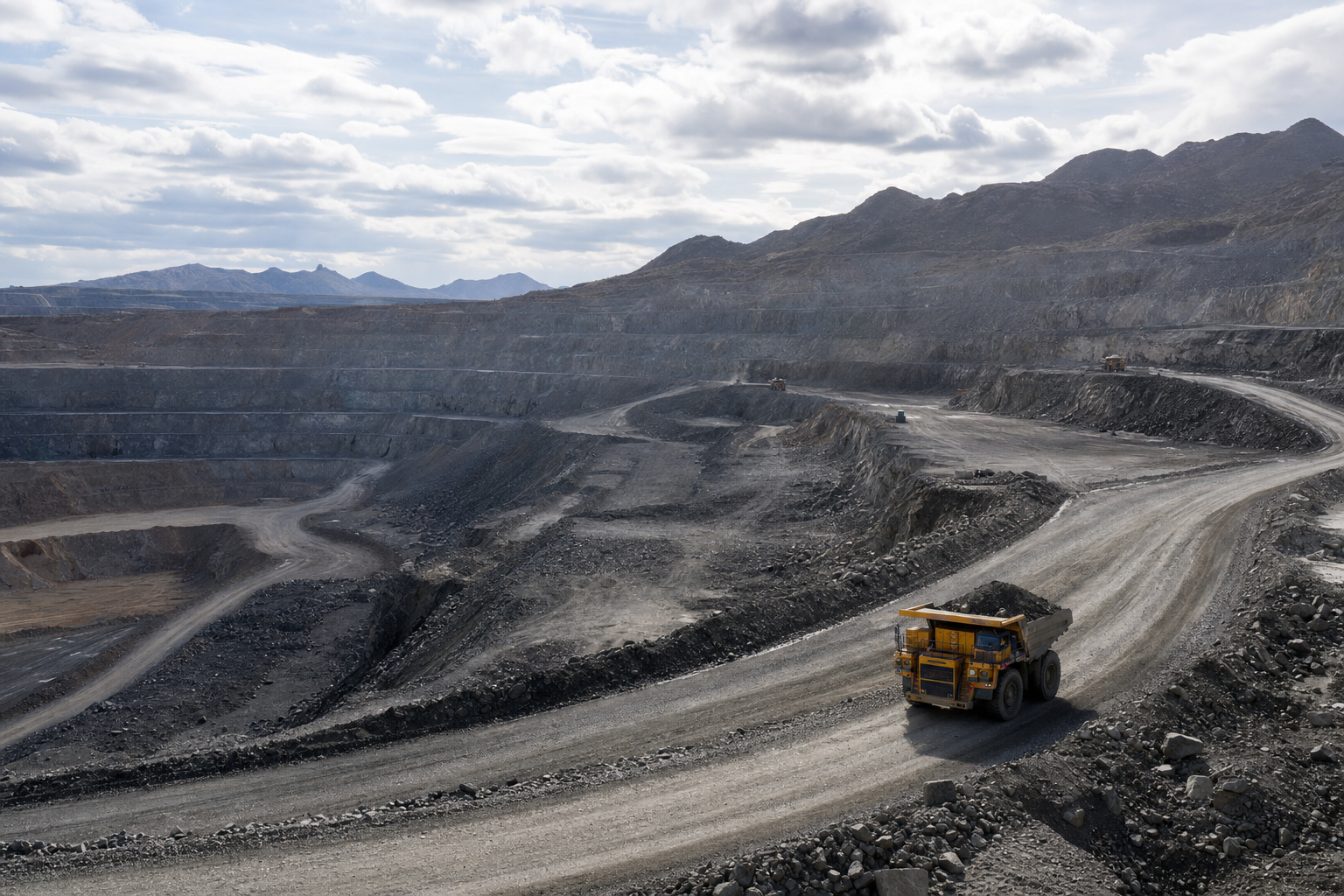
Alamos Gold makes money the old-fashioned way for this sector, by pulling ounces out of the ground and trying to keep all-in costs below the metal price. When bullion is near $4,000 an ounce, as it was in mid-July 2026, the spread matters more than the headline price. That spread is what funds mine development, debt service, buybacks, and the sort of capital spending that keeps a mid-tier producer from becoming a one-cycle story.
The stock does not trade like a pure commodity proxy, though it still lives and dies with gold. Real rates, the dollar, and the market's appetite for defensives all matter. Gold has already had its run this year, peaking above $5,500 earlier in 2026 before easing back, and miners have not always kept pace with the metal. Cost pressure and valuation resets have done their usual work. That is the backdrop you need before you look at any insider filing at all.
July 20 was a cluster, not a lone print
The filing set on July 20 covered more than 20 individuals, but the useful number is simpler. Insiders Trades data shows 10 distinct insiders buying the name in the same direction over the same date, including operating officers and directors. Christopher John Bostwick was one of the buyers, and the rest of the list ran through Colin Webster, Rebecca Thompson, Grace Tang, Scott Russell Gordon Parsons, Luc Guimond, John Michael Fitzgerald, Khalid Elhaj, Mario Luis Chavez-Martinez, Adrian Paulse, Scott Kyle Parsons, Shaun Alleyne Usmar, John Robert Stobo Prichard, Monique Mercier, Richard Grant McCreary, Chana Lynn Martineau, Claire Marie Catherine Kennedy, Tony Serafino Giardini, David Alexander Fleck, Elaine Ellingham, Alexander Christopher, and Marcelo Alejandro Martinez Ochoa.
The euro-normalised filing values were tiny relative to the company. The smallest were EUR 163.68 and the largest was EUR 6,329.02, with most of the prints sitting in the low-thousands. That is not a capital allocation event. It is a board and management group putting skin in the name at a time when the stock had already been through a strong gold cycle and was still digesting what that means for margins, valuation, and the next quarter.
Why the filing matters more at a miner than at a software name
Gold miners are a strange breed. Their earnings can swing hard on a relatively small move in the metal, but the market still punishes them when costs creep up or when production guidance slips. That is why insider buying at a miner can carry a different tone than the same action at a slow-growth industrial. A director or senior officer buying after a strong gold run is not saying the business is risk-free. They are saying the current price still looks acceptable against the asset base, the mine plan, and the cash generation profile.
Alamos sits in the mid-tier camp, with assets in Canada and Mexico and ongoing expansions at Island Gold and Magino. Those projects matter because the market tends to reward miners that can turn a high gold price into durable free cash flow rather than a one-quarter pop. The company has a second-quarter 2026 release scheduled for after market close on July 29, with a conference call the following day. That timing matters more than the July 20 filing in the sense that it will tell you whether the operating story is keeping pace with the metal.
Peers frame the read. Barrick Gold and Newmont have both felt the recent pullback even while staying exposed to the same gold-price environment. Agnico Eagle is the Canadian comparator that usually gets dragged into the same conversation because the market likes its operating profile. When the whole group is under pressure despite a supportive bullion backdrop, insider buying at one name is worth a look, but only as one piece of evidence. The sector is still trading on the gap between metal price and execution.
The size of the buys says alignment, not bravado
Insiders Trades data gives this filing a score of 70, with the usual caveat that the score is a screen, not a verdict. The rationale is straightforward enough. The buys came from an operating director, they arrived as part of a wide cluster, and the euro-normalised values were negligible relative to the company's EUR 10.88bn market value. One filing sat near EUR 1,282. That is the sort of number that tells you an insider is participating, not levering up.
That distinction matters because the market often overreads insider buying when the amounts are small. A few thousand euros is not a thesis on its own. It does, however, become more interesting when a dozen or so insiders show up on the same day, in the same direction, after a stock has already had a long run in the underlying commodity. That is where the signal lives. Not in the size of any one ticket, but in the breadth of the participation.
Our cohort data is useful here, but only if you keep it in its lane. For director-level buys at large-cap names, the historical T+90 win rate is 55.7% and the average return is 3.29%, with a 365-day average return of 56.59%. Those are historical cohort statistics, not a promise about Alamos and not a forecast for the next 90 days. They tell you that this kind of filing has tended to work better than random in our sample. They do not tell you whether the next quarter will be kind.
The business is still about ounces, costs, and timing
The market is not paying for gold in the abstract. It is paying for what a miner can keep after energy, labor, sustaining capex, and expansion spending. That is why the next quarterly print is the real event. If Alamos shows that Island Gold and Magino are still moving in the right direction, the July 20 cluster will look like a sensible board-level expression of confidence in the operating path. If costs have crept, or if production guidance has become more fragile, the same cluster will look more like routine alignment at a company that knows the market is watching.
The broader macro backdrop still helps. Central-bank policy expectations and persistent inflation data have kept gold in the conversation as a hedge, even after the metal corrected from January highs. Sector rotation into defensives and commodities has also helped keep miners on the screen. But miners are not bullion. They are leveraged operating businesses with geology, execution risk, and capital intensity. That is why the stock can lag the metal even when the metal is doing exactly what the bulls wanted.
Alamos has a quality score of 88 in our fundamental screen, with a value score of 51 and a composite score of 70. Those are not trading signals by themselves. They do, however, fit the picture of a company that the market can plausibly own for both operating quality and exposure to a favorable commodity backdrop. If you are looking for the reason this filing is not just noise, that is it. The insiders bought into a name that already has a respectable fundamental profile and a live catalyst window in front of it.
What the July 29 results will settle
The next verified data point is the second-quarter release on July 29. That report will tell you whether the company is converting the gold backdrop into the kind of cash flow and operating momentum that justifies a cluster of insider buys. It will also tell you whether the market's recent caution toward gold equities is fair or lazy. Those are different questions, and the earnings call should answer both better than any filing can.
The stock's own reaction already gave you a small clue. Alamos closed at $39.62 on July 20 and rose to $41.68 the next day. You should not build a thesis on one session, but you also should not ignore the fact that the market did not punish the filing. In a sector where share prices have often lagged the metal, a clean insider cluster can help keep the name on the radar until the operating numbers arrive.
The risk case is still plain. Gold can pull back further, real rates can rise, the dollar can strengthen, and miners can give back a lot of what they have gained without warning. Alamos also has the usual mine-specific risks that come with expansions and cross-border assets. A cluster of buys does not remove any of that. It only tells you that a meaningful group inside the company was willing to buy on July 20, and that is a better starting point than silence.
A useful read, if you keep it in proportion
This is one of those filings that works best when you resist the urge to make it heroic. The buys were broad, the names were senior enough to matter, and the timing sat in front of a known earnings date. The amounts were small, which keeps the read grounded. The sector backdrop was supportive but messy, which is exactly when insider activity can be worth your attention.
If you want the practical takeaway, it is simple. Alamos is a mid-tier gold producer with a live operational catalyst on July 29, a gold price backdrop that still supports the sector, and a July 20 cluster of insider buying that points to alignment inside the company. The next quarter will decide whether that alignment was timely or merely polite.
Dig deeper: Alamos Gold Inc.'s full insider filing history.
Sources and further reading
- The Globe and Mailpress
- Alamosgoldpress
- Yahoo Financepress
- MarketBeatpress
- Alamosgoldpress
- Simply Wall Stpress
- Quiver Quantitativepress
- Wallstreetzenpress
This is not investment advice.