
Oficinas de Estocolmo, una cotización rezagada y un consejo que sigue comprando
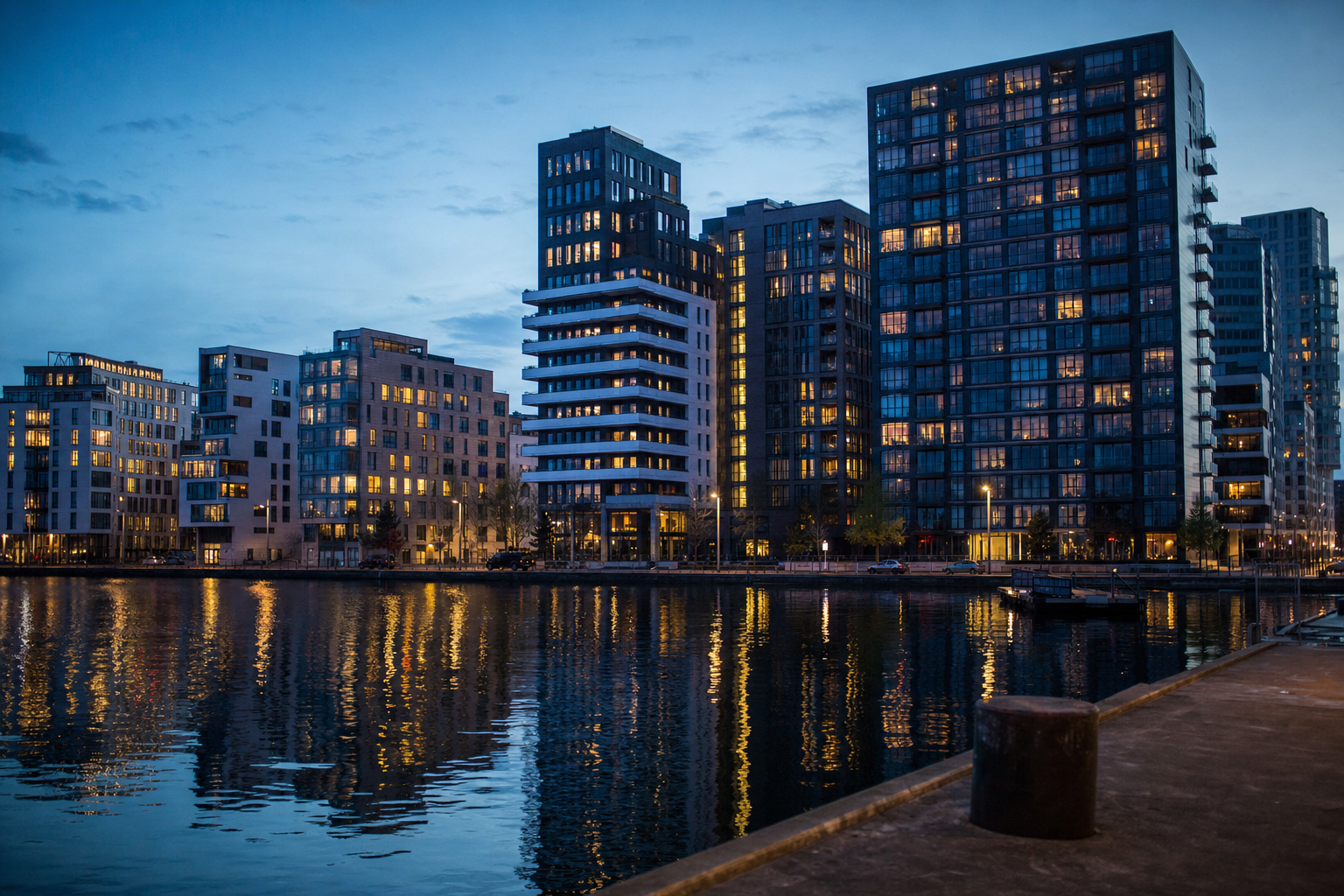
El sector inmobiliario sueco no ha sido una operación de sentido único, pero ha dejado de comportarse como un sector en caída libre. El Riksbank mantiene su tipo de interés oficial en el 1.75 % desde junio de 2025 tras un largo descenso desde el 4.00 %, y el banco central ha empezado a hablar de una probabilidad creciente de una subida más adelante en 2026 si la inflación se reacelera. Eso importa para los propietarios de oficinas porque el mercado sigue intentando valorar un mundo en el que los costes de financiación no sigan bajando para siempre, aunque lo peor del ajuste de valoraciones haya pasado.
Fabege se sitúa justo en esa tensión. Es un propietario de oficinas de Estocolmo, no una historia inmobiliaria de brocha gorda, y la actualización del segundo trimestre de 2026 de la compañía apuntó a una ocupación que subió al 87 % desde el 86 %, con los valores de los inmuebles estabilizándose tras caídas anteriores. No es una vuelta de honor. Es una señal de que el negocio ya no se mueve en una sola dirección, lo que basta para que la compra de un consejero delegado resulte más interesante que un gesto rutinario del consejo.
La cotización aún no se ha puesto al día. Fabege cerró en 77.15 SEK el 14 de agosto y bajaba aproximadamente un 5 % en lo que va de año a mediados de agosto, según los datos de mercado disponibles. Atrium Ljungberg, en cambio, cotizaba cerca de 26.35 SEK y subía aproximadamente un 19 % en lo que va de año. Castellum también ha estado informando en el mismo contexto de tipos. Así que al sector no le falta pulso, está separando ganadores de rezagados.
La compra de Bent Oustad se produce en esa brecha. Compró el 14 de agosto, y el valor de la comunicación fue de unos EUR 690,726, normalizados en euros en la ingesta. Nuestros datos la marcan como parte de un clúster, y esa es la primera razón para prestarle atención. Una compra aislada puede ser ruido. Un consejero delegado que compra dentro de un clúster, tras un trimestre que mostró mejora de ocupación y estabilización de valoraciones, es otro tipo de mensaje.
Bent Oustad compra en un trimestre que dejó de empeorar
Bent Oustad no es un nombre pasivo en una lista de comunicaciones. Es el consejero delegado, y los datos de Insiders Trades dan a ese cargo un peso elevado por una razón. Los CEO ven el ritmo operativo, la cartera de arrendamientos, las conversaciones de financiación y los puntos de presión del consejo antes que el mercado. Eso no hace que cada compra sea acertada. Sí hace que la compra sea más cara de ignorar.
El tamaño también importa. EUR 690,726 no es una compra simbólica para un valor inmobiliario de capitalización media con un valor de mercado de unos EUR 2.19bn. El importe de la comunicación equivale aproximadamente al 0.03 % del valor de mercado, lo que es pequeño en términos absolutos de balance pero lo bastante grande como para mostrar intención. No es el tipo de operación que se hace por cumplir un trámite tras un buen trimestre. Es la que se hace cuando se quiere alinear el propio capital con una historia que se considera todavía infravalorada.
El clúster que la rodea afina el punto. Los datos de Insiders Trades muestran 6 directivos distintos operando el valor en la misma dirección durante el último trimestre, con 11 declaraciones recientes. La lista incluye compradores a nivel de consejo el 22 de julio y el 3 de agosto, además de compras repetidas de Johan Zachrisson a principios del verano. Es un patrón, no un hecho aislado. Dice que la compra no se limita a un directivo que intenta enviar una señal en solitario.
El propio contexto operativo de Fabege da cobertura a la compra. La ocupación subió al 87 % desde el 86 % en el segundo trimestre, y la compañía dijo que los valores de los inmuebles se estaban estabilizando tras caídas previas. En un sector donde las valoraciones han hecho gran parte del daño, la estabilización no es una frase de relleno. Es la diferencia entre un negocio que aún absorbe el golpe y otro que quizá por fin pueda volver a hablar de capacidad de generar beneficios.
La comparación con los pares ayuda. Atrium Ljungberg ya ha sido premiada por el mercado, mientras que Fabege no. Eso puede significar que el mercado hace bien en preferir un equilibrio de activos y crecimiento sobre otro. También puede significar que el rezagado es donde está la revalorización más fácil si los datos operativos siguen mejorando. La compra del directivo no zanja esa discusión, pero indica que la dirección está dispuesta a poseer al rezagado a los niveles actuales.
La salvedad es el contexto de tipos, y no es benigno
El caso alcista de Fabege es bastante directo. Las oficinas de Estocolmo no son lo mismo que una cartera comercial regional en dificultades. La ocupación se mueve en la dirección correcta. Los valores de los inmuebles han dejado de caer con tanta fuerza. El banco central ya ha recortado tipos con dureza del 4.00 % al 1.75 %, y eso ha ayudado a que el conjunto del sector inmobiliario sueco se recupere de lo peor de la presión. Si se busca un propietario con apalancamiento operativo a un entorno de tipos más estable, Fabege merece estar en la lista.
Pero la historia de los tipos no ha terminado. El Riksbank ha señalado una mayor probabilidad de subida más adelante en 2026, y la próxima decisión está prevista para el 20 de agosto. No es una nota al pie trivial. Las acciones inmobiliarias han pasado los últimos años aprendiendo con qué rapidez pueden cambiar los supuestos de financiación la historia accionarial. Un propietario puede mostrar mejor ocupación y aun así salir perjudicado si el mercado decide que el coste del capital ya no baja.
El panorama inmobiliario sueco en general también es más mixto de lo que sugiere el titular de estabilización. Nordic Credit Rating indicó que la ocupación media rondaba el 95 % en las empresas calificadas a principios de 2026, pero también señaló una incertidumbre persistente ligada a las condiciones económicas, especialmente en los segmentos comerciales. El 87 % de ocupación de Fabege mejora, pero sigue por debajo de ese referente más amplio. La compañía no opera desde una posición de fortaleza evidente. Está recuperando terreno.
Ahí es donde la lectura de los directivos empieza a fallar si se fuerza demasiado. La compra del consejero delegado y de un clúster de otros directivos no dice que la próxima renovación de contrato vaya a salir bien, ni que la demanda de oficinas en Estocolmo vaya a tensarse de repente. No dice que el Riksbank vaya a mantener los tipos. No dice que las valoraciones hayan terminado de moverse. Dice que la dirección compra al precio actual con su propio dinero, y eso es útil, pero no sustituye a la macro.
Qué dicen nuestros datos de cohorte sobre las compras de consejeros delegados en valores de capitalización media

El grupo de cohorte interno aquí es específico: compras de consejeros delegados en valores de capitalización media. Importa porque el cargo y el tamaño cambian la lectura. La compra de un CEO en una pequeña capitalización puede ser un animal muy distinto de la compra de un consejero en una megacapitalización. En el caso de Fabege, la compañía está en el grupo de capitalización media, y la comunicación procede del consejero delegado, que es exactamente la combinación en la que se apoya nuestra puntuación.
Las cifras históricas de cohorte no son llamativas, y eso es parte de por qué resultan útiles. Los datos de Insiders Trades muestran una tasa de acierto a 90 días del 49.5 % y una rentabilidad media del 1.81 % para ese grupo, con una rentabilidad media a 365 días del 64.14 %. Son datos históricos de cohorte, no una promesa sobre Fabege, y no deben leerse como un pronóstico. Sí indican que este tipo de comunicación no ha sido ruido aleatorio en el backtest.
Nuestra puntuación sitúa a Fabege en 2.4 en la señal actual, con el cargo de consejero delegado, el clúster de seis directivos, el tamaño de aproximadamente el 0.03 % del valor de mercado y el valor de la comunicación normalizado en euros cercano a EUR 690,726 alimentando esa lectura. No conviene exagerar la puntuación. Es un filtro, no un veredicto. Pero sí encaja con la lógica básica del mercado aquí, que es que un CEO que compra un valor inmobiliario rezagado tras un trimestre de estabilización resulta más interesante que la comunicación media de un directivo.
El marco de estrategia detrás de esa lectura está construido para una ventana de tenencia de 90 días, y el titular del backtest point-in-time sigue siendo 1,17, 12,5 % (STOXX Europe 600 en las mismas fechas: 9,3 %) y (cifra retirada, ver la auditoría 231) sobre el universo restringido de mercados de la UE, con la salvedad habitual de que esas cifras no sobreviven a la deflación consciente de la búsqueda y de que la ventana es corta y de un solo régimen. Es contexto útil para el proceso, no una afirmación de que Fabege vaya a comportarse a la carta. El punto es más acotado. Esta comunicación encaja en un patrón que ha tenido cierta ventaja histórica, y el contexto de mercado le da una historia plausible.
Por qué el caso alcista aún tiene recorrido, si el trimestre se sostiene
La versión más sólida del caso alcista empieza por la mezcla de negocio. Fabege está ligada a las oficinas de Estocolmo, lo que le da exposición a un mercado más líquido y más vigilado por los institucionales que muchos bolsillos inmobiliarios regionales. Si la ocupación sigue subiendo poco a poco y los valores de los inmuebles siguen estabilizándose, la compañía puede empezar a parecer menos una historia de reparación de balance y más un generador normal de beneficios compuestos otra vez.
El contexto del sector ayuda, pero solo si se mantiene lo bastante en calma. El mercado de vivienda sueco ya ha mostrado señales de recuperación, con precios al alza un 3 % mensual en julio de 2026 y previsiones de ganancias residenciales de todo el año de 3 a 5 %. No se traduce directamente en demanda de oficinas, pero indica que el shock de tipos nacional ya no golpea a todas las clases de activos de la misma manera. Cuando la macro deja de empeorar, los valores mejor capitalizados suelen ser los primeros en beneficiarse.
El peor comportamiento relativo de Fabege también deja margen. Una acción que baja aproximadamente un 5 % en lo que va de año mientras un par como Atrium Ljungberg sube cerca de un 19 % no necesita supuestos heroicos para moverse. Necesita que el mercado crea que la estabilización es duradera. Es un listón mucho más bajo que pedir un auge de ciclo completo. El clúster de directivos sugiere que la dirección cree que el precio actual deja esa brecha abierta.
Hay además un punto práctico sobre el momento. La comunicación llegó el 14 de agosto, justo antes de la decisión del Riksbank del 20 de agosto. No es prueba de presciencia, y no conviene fingir lo contrario. Pero sí significa que el consejero delegado compró la acción mientras el próximo movimiento de política monetaria seguía pendiendo sobre el sector. Es una expresión de confianza más limpia que comprar después de que la incertidumbre de política se haya despejado.
Por qué el caso bajista sigue vivo, y probablemente debe seguirlo
El caso bajista empieza por el hecho de que Fabege sigue siendo un propietario de oficinas en un mercado donde el banco central discute abiertamente la posibilidad de una futura subida. Si la inflación se reacelera, el viento a favor de los tipos se desvanece rápido. Las acciones inmobiliarias no necesitan una crisis para revalorizarse a la baja. Solo necesitan que el mercado deje de creer que el contexto de financiación se está facilitando.
Una ocupación del 87 % es mejor que el 86 %, pero no es un trabajo terminado. La compañía sigue por debajo de la media sueca de empresas calificadas, cercana al 95 %, citada por Nordic Credit Rating. Esa brecha importa porque indica que Fabege aún no opera desde la misma base de ocupación que los nombres más fuertes del sector. Unos pocos puntos porcentuales de ocupación pueden marcar mucha diferencia cuando el mercado sigue siendo sensible a la durabilidad del flujo de caja.
La línea de estabilización de valoraciones también merece cautela. Estabilizarse tras las caídas es bueno. No es lo mismo que recuperar los valores anteriores, y no garantiza que el próximo periodo de informes se vea más limpio. Los valores de los inmuebles comerciales pueden ser pegajosos a la baja y lentos al recuperarse. Si el mercado empieza a dudar del ritmo de recuperación, la acción puede quedarse estancada un tiempo, aunque haya compras de directivos de fondo.
Y luego está el simple hecho de que las compras de directivos no son omniscientes. El clúster es real, pero sigue siendo un clúster de comunicaciones, no un motor de pronósticos. Las cifras de cohorte a 90 días son casi planas en tasa de acierto y modestas en rentabilidad media. Es útil, pero no es el tipo de ventaja histórica que permite ignorar los riesgos del negocio. Si la macro gira, la comunicación no salvará a nadie.
El veredicto equilibrado sobre Fabege ahora
Fabege tiene un caso alcista creíble. La compañía informó de mejor ocupación, los valores de los inmuebles se estabilizan, el ciclo de tipos sueco ya ha bajado con fuerza desde su máximo y el consejero delegado acaba de comprar EUR 690,726 en acciones dentro de un clúster de compras de seis directivos. Basta para decir que la dirección se inclina hacia el precio actual en lugar de esconderse de él.
La salvedad es que el sector sigue conviviendo con riesgo de política monetaria, y Fabege aún no ha vuelto a los niveles de ocupación que harían parecer completa la recuperación. La acción también se ha rezagado frente a sus pares, lo que puede ser oportunidad o aviso según se piense que el mercado ha exagerado el descuento. Conviene tratarla como un valor donde la actividad de directivos mejora el caso, pero no lo cierra.
Los datos de Insiders Trades dan un motivo para prestar atención, no un motivo para suspender el juicio. El grupo de compras de consejeros delegados ha producido históricamente una tasa de acierto a 90 días del 49.5 % y una rentabilidad media del 1.81 %, y la puntuación de señal actual de Fabege es 2.4. Es suficiente para mantener el valor en el radar. No lo es para anunciar el giro.
La próxima prueba real no es la comunicación. Es si la decisión del Riksbank del 20 de agosto mantiene favorable el contexto de tipos, y si Fabege puede seguir mostrando progreso en ocupación y valoración en la próxima actualización. Si esas dos cosas se mantienen, la compra del 14 de agosto se verá mejor en retrospectiva. Si no, parecerá una expresión de fe bien cronometrada pero, en última instancia, temprana en un sector al que aún le queda trabajo.
Para profundizar: historial completo de comunicaciones de directivos de Fabege AB.
Fuentes y lecturas adicionales
- InsiderScreenerpress
- Yahoo Financepress
- Insidersalphapress
- Marketscreenerpress
- Fabegepress
- MarketBeatpress
- Reuterspress
- Investing.compress
Esto no es asesoramiento de inversión.