
Nordic telecom is still paying for the network build
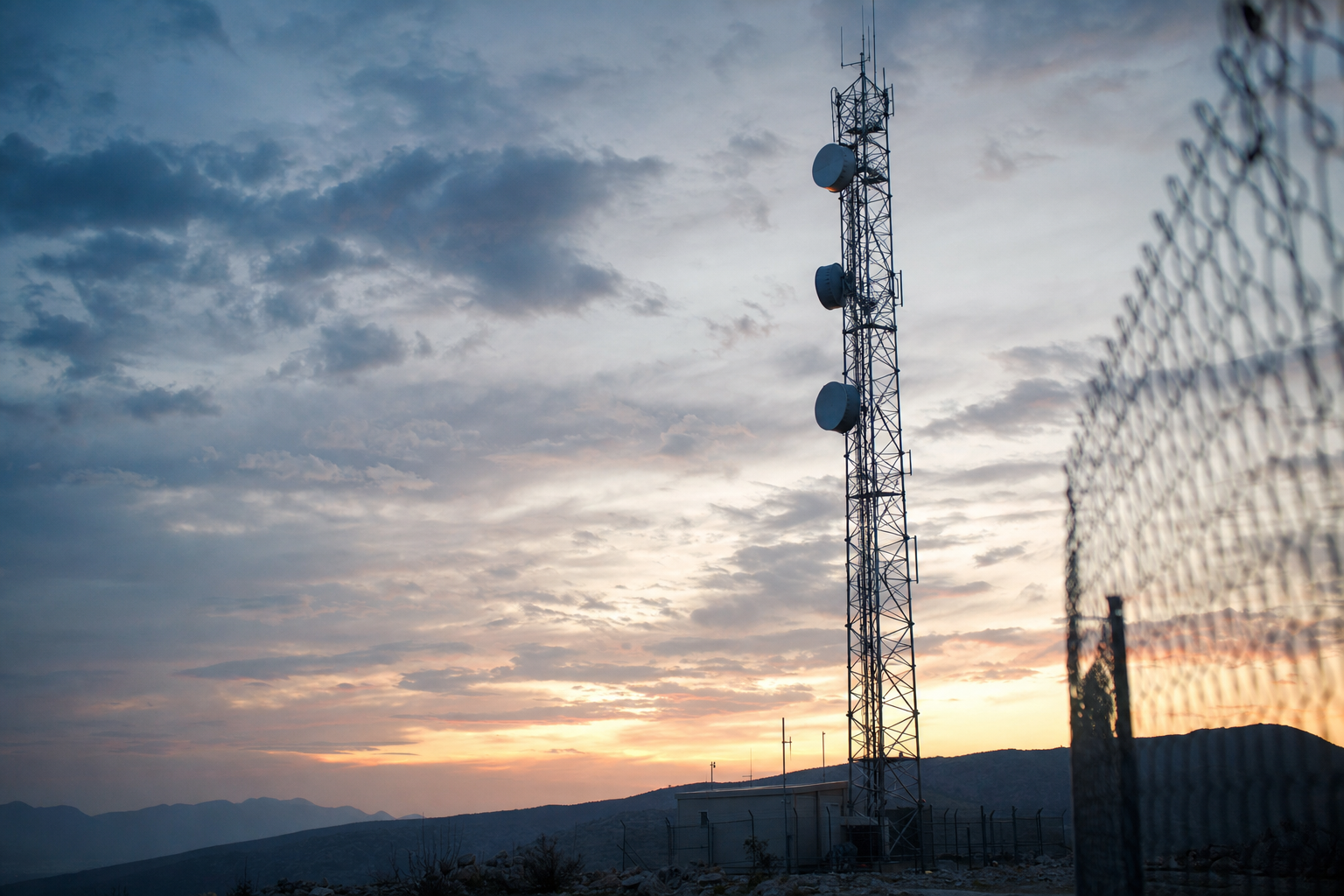
Telecom has been one of those sectors that looks boring until you put the capex bill next to the dividend. Then the picture gets sharper. Operators in the Nordics and across Europe are still carrying the cost of network modernization, spectrum, and the long tail of 5G and early 6G planning, while the revenue line remains stubbornly modest. That is the backdrop for Telenor ASA, and it matters more than the filing itself. A small insider buy in a sector like this is never the whole story, but it is easier to read when the stock is already trading like a market that has little patience left.
The comparison set is not flattering. Telia Company has been getting attention in Nordic telecom circles for its positioning, while Vodafone remains a useful reminder of how much regulatory and capex drag can sit on a large carrier for years. Telenor sits in the same broad defensive lane, but the market is not paying up for the lane right now. The stock trades near the bottom of its range, and the sector has been rotating in and out of favor as investors chase yield and then question whether the yield is compensating enough for the reinvestment burden. That is the frame you want before you look at any insider filing.
Telenor's cash flow is doing better than its top line
The company itself is not in a dramatic operating story, which is part of the point. In Q2 2026, service revenue fell 0.7 percent year over year, while free cash flow before M&A rose 13 percent to NOK 1.8 billion. That split matters. It says the business is still under pressure on the revenue side, but it is not leaking cash in the way a weak telecom can when network spending and pricing pressure collide. For a stock trading near a low, that is the kind of detail that keeps the name from becoming a pure value trap narrative.
Telenor also has the support of a buyback program, and that is not a trivial backdrop. Between September 14 and 18, the company added 563,000 shares at an average price of 138.80 NOK for roughly NOK 75 million, taking treasury holdings to 10.87 million shares, or 0.8 percent of capital. Buybacks do not fix a weak operating trend, but they do tell you management is willing to use cash when the stock is soft. In a sector where capital intensity never really leaves the room, that matters. It also means the insider purchase is arriving alongside corporate support, not in isolation.
The valuation is not screaming cheap, but it is not stretched either. Telenor trades at a trailing P/E near 11, with a market capitalization around NOK 175 billion, and the stock carries a yield around 7.5 percent. That is the sort of profile that can keep a defensive telecom in the conversation even when growth is thin. The next earnings release is scheduled for October 28, 2026, so the market has a clear checkpoint ahead. Until then, the stock is being judged on cash generation, capital return, and whether the low end of the range holds.
Board member Irene Vold added 521 shares at 128.20 NOK
The filing itself is straightforward. On September 25, 2026, Irene Vold, a board member and employee-elected representative, bought 521 shares of Telenor ASA at 128.20 NOK per share. The euro-normalised filing value was about EUR 6,167, and her holding rose to 6,000 shares after the trade. The stock closed that session at 128.50 NOK on Oslo Børs, which put it about 2.64 percent above its 52-week low of 125.20 NOK and well below the 52-week high of 178.70 NOK.
That is not a large trade in absolute terms, and it is not meant to be. The amount is tiny relative to Telenor's market value, and our scoring reflects that. The name still screens as a 3.5 because the filing sits inside a wider cluster, not because the purchase itself is big. The company has had 5 distinct insiders trading in the same direction over the past quarter, with 12 recent declarations in the cluster record. That is the part that gives the buy some context. A lone small purchase from a board member can be noise. A small purchase inside a broader pattern is less easy to write off as routine housekeeping.
The market did not need a filing to know Telenor was cheap relative to its own range. What the filing adds is a bit of internal behavior at a moment when the stock is still close to the floor. That is a different read from a heroic insider bet. Vold did not buy a block that changes the capital structure or the earnings outlook. She added to a position that now stands at 6,000 shares, and she did it while the stock was still sitting near the low end of the year. That is the kind of detail you file away, not the kind you build a thesis around by itself.
Why the cluster matters more than the single ticket

Our data puts this in the bucket of insider buys at mega-cap names, where the historical T+90 cohort has a 57.3 percent win rate and an average return of 5.1 percent over 90 days, with a 72.69 percent average return over 365 days. That is historical cohort data for a role-and-size bucket, not a forecast for Telenor and not a promise that this trade will work. It is useful because it tells you how similar filings have behaved in the past, not because it tells you what the next quarter will do.
The cluster picture is the more interesting proprietary angle here. Telenor is flagged as a cluster name, and the recent declaration list shows repeated activity across the quarter, including buys on September 25 and earlier activity on August 3, plus other declarations on August 20. That does not turn the filing into a grand signal. It does tell you that the company has not been a one-off insider event. When multiple insiders keep showing up in the same direction, the market usually has to decide whether that is routine administration or a more persistent internal preference for owning the stock at these levels.
The score rationale is plain enough. The trade sits inside a wide cluster, the filing value is negligible relative to the company, and the euro-normalised amount is only about EUR 6,167. Those are not heroic ingredients. They are the ingredients of a modest but persistent pattern. If you want to be strict about it, that is exactly how you should treat it. The filing adds weight to the idea that insiders are comfortable owning Telenor here, but it does not tell you they think the stock is mispriced by a wide margin.
What the sector backdrop says about the buyback and the buy
Telecom is one of those sectors where the macro force is not a single headline, it is a grind. Network upgrades, spectrum obligations, and the push toward AI-linked connectivity keep capex elevated. At the same time, pricing power is limited and service revenue growth is subdued. That combination tends to reward balance-sheet discipline and punish any sign that cash returns are being funded too aggressively. Telenor's recent cash flow improvement and its buyback activity fit the first half of that equation better than the second.
The broader market backdrop also helps explain why a defensive telecom can attract attention even when growth is dull. Sector rotation has favored dividend-oriented names when investors want stability, and Telenor's yield profile gives it a place in that trade. But yield alone does not keep a stock from drifting if the market decides the operating story is too slow. That is why the September buyback and the insider purchase matter together. One is the company using capital. The other is an insider adding personal exposure. Neither is decisive on its own, but together they say the stock is not being abandoned by the people who know it best.
There is also a valuation argument sitting in the background. A trailing P/E near 11 is not expensive for a telecom with a large market cap and a meaningful yield, but it is also not the kind of multiple that leaves a lot of room for disappointment if revenue keeps sagging. The market is effectively asking whether Telenor can keep cash generation intact while the network bill stays heavy. That is the real test. The insider buy does not answer it. It simply shows that one board member was willing to add shares while the stock was still near the bottom of its range.
October 28 is the next checkpoint, not the filing
The next earnings release on October 28, 2026, is the event that can actually change the conversation. If Telenor shows that the Q2 pattern was not a one-off, and if cash flow stays firm while service revenue stabilizes, then the market has something to reprice. If not, the stock can keep looking like a yield name with a heavy infrastructure bill attached. That is the tension you should keep in view. The filing is a data point inside that setup, not the setup itself.
The fundamental screen in our dossier is decent, with a score of 72 and a value score of 73, but the growth field is blank. That is a useful reminder that this is not a growth story dressed up as a defensive one. The quality side is doing more of the work. So is capital return. So, to a lesser extent, is the fact that insiders have been active in the same direction over the past quarter. None of that removes the risk that telecom remains a low-growth, high-capex business. It just explains why the stock can attract buying interest even while it sits close to the low.
The cleanest way to read Telenor here is to keep the pieces in order. The sector is under the usual telecom pressure, but cash flow is holding up better than revenue. The company is buying back stock. An insider bought 521 shares at 128.20 NOK, and the cluster around the name has been active over the past quarter. That is enough to make the stock worth watching into the October 28 print, especially if the shares keep hovering near the 125.20 NOK low rather than reclaiming the 138.80 NOK buyback average.
Sources and the next print
The market has already told you where it is comfortable with Telenor for now. The stock closed at 128.50 NOK on the filing day, and the next earnings date is fixed. If the company can keep cash flow moving in the right direction while the buyback continues and the insider cluster stays active, the debate shifts from whether the stock is cheap to whether the market is underestimating the durability of that cash generation. If not, the filing will look like what many small insider buys look like in telecom, a modest vote of confidence inside a slow-moving capital story.
Sources and further reading
- Ad-hoc-newspress
- Telenorpress
- TipRankspress
- Osloborspress
- Osloborspress
- Marketscreenerpress
- Marketscreenerpress
- Investtechpress
This is not investment advice.