
Copper, not the filing, is the driver
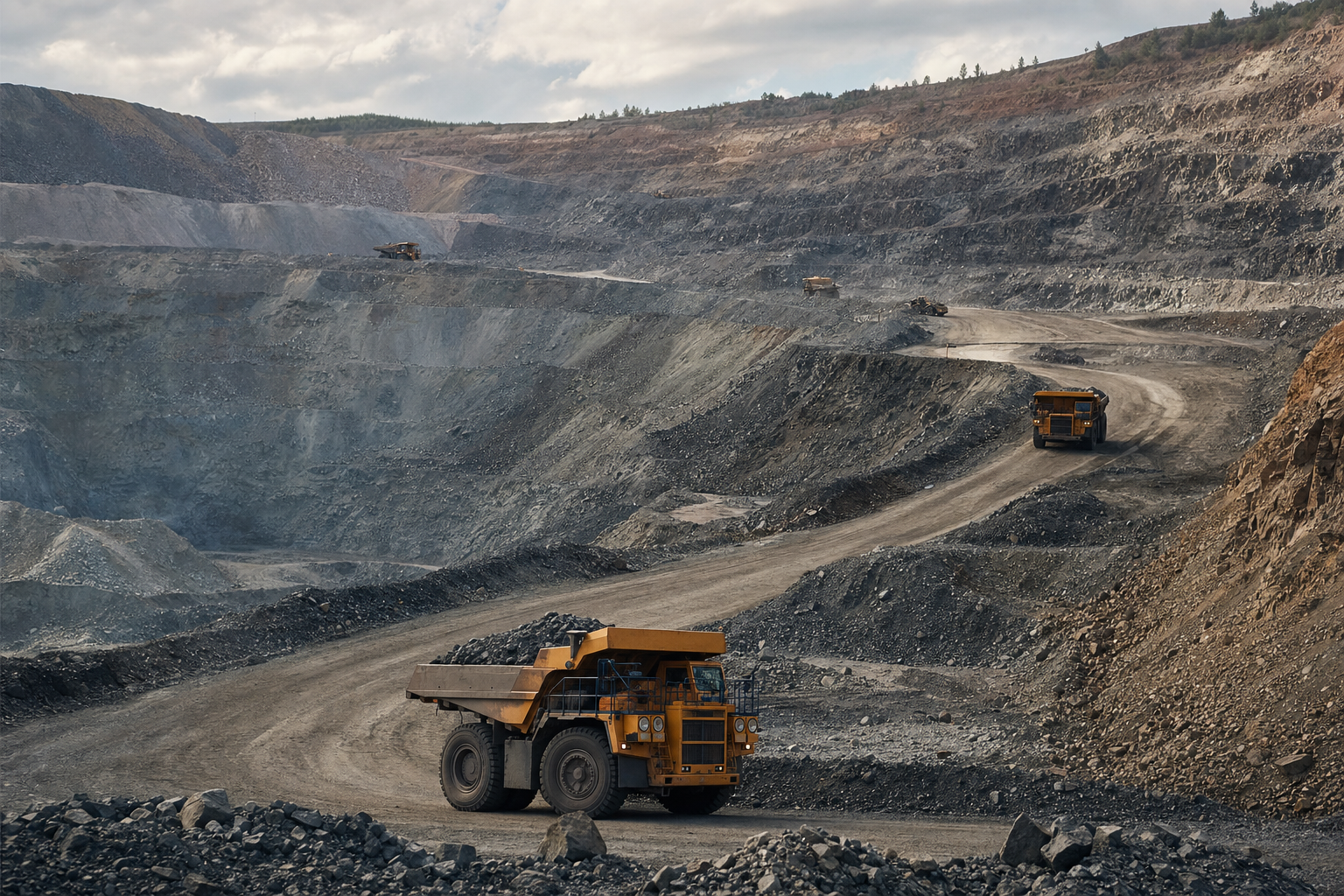
Amerigo is not a complicated story. It makes money by processing tailings at Minera Valle Central in Chile and selling copper exposure into a market that has suddenly remembered how tight the metal can get when supply breaks and demand keeps leaning on the system. Copper prices hit record levels in early August 2026, helped by disruptions at major mines, including Grasberg in Indonesia, while the demand side keeps getting support from electrification, data centers, and AI infrastructure buildout.[^1][^2]
That matters more than the filing because Amerigo is a leveraged way to express the copper view. The company has already told the market it expects 63.8 million pounds of copper for 2026, and it has been talking about a constructive long-term copper price environment in its recent results and dividend announcements.[^3] When the metal is strong, the stock gets a cleaner runway. When the metal stalls, the equity does not get much mercy.
Robert Gayton's August buying
Robert Gayton bought on August 12, and the filing value came to about EUR 49,107, euro-normalised at ingest. The same recent activity also included an acquisition of 69,717 shares on August 10 at an average price of C$8.26 per share, according to the filing trail surfaced in the market data.[^4] This is not a token nibble. It is a director putting fresh money into the name after the stock had already been moving with copper.
The market did not exactly reward the stock that day. Amerigo closed at C$7.83 on August 12, down 2.49 percent, after trading between roughly C$7.82 and C$8.21. That left it below the session high and still inside a 52-week band that runs from C$2.07 to C$8.48.[^5] So the buy landed near the upper end of the stock's yearly range, not in some washed-out corner where every insider looks brave by default.
Insiders Trades data classifies this as a director-level buy at a sweet-spot market cap name, and the cluster flag matters because the recent declarations also include another director, Aurora Davidson, buying on August 11. The dossier shows 12 recent declarations and 2 distinct insiders in the cluster. That is enough to notice. It is not enough to pretend the board has suddenly turned into a trading desk.
Why copper names are moving differently now
Copper has been trading like a macro asset with a supply problem, which is exactly the sort of environment that can make a producer like Amerigo look more interesting than it does in a sleepy industrial tape. CNBC reported copper at record highs in early August, and the broader commodity coverage has been pointing to the same thing, supply disruptions meeting demand that is not going away just because growth data is uneven.[^1][^2] That is the setup. The metal is doing the heavy lifting, and the equity is trying to keep up.
Amerigo is not a pure mine story. It processes tailings, which gives it a different operating profile from a conventional open-pit producer and makes the company more dependent on throughput, recoveries, and the economics of the copper stream it can extract from the material it handles. That is why the stock can respond quickly when copper moves, but it can also be more sensitive to operational slippage than a casual observer might assume. The company has been explicit about production guidance and performance dividends, so the market is not just buying copper beta. It is buying a specific operating machine that turns tailings into cash flow when the metal cooperates.[^3]
Peers matter here because they frame the trade. Ero Copper and Taseko Mines sit in the same broad copper conversation, with their own production updates and their own sensitivity to the metal. The available reports do not give you a clean apples-to-apples valuation spread versus Amerigo for the last week, and I am not going to invent one. But the comparison still helps. When copper is ripping, the market tends to sort producers by leverage, reliability, and whether the latest operating update gives it a reason to pay up. Amerigo has been in that conversation because it has both the commodity tailwind and a recent dividend story behind it.
Why the cluster matters, and where it stops
The cluster flag is the part that deserves attention, because one director buy can be noise and two directors buying in the same month is not easy to wave away as a random calendar event. Insiders Trades data shows 12 recent declarations, with Robert Gayton and Aurora Davidson both buying in the same window. That does not tell you why they bought. It does tell you the board-level posture was not defensive.
The size also matters. EUR 49,107 is not a balance-sheet move for a company with a market cap around EUR 806.5 million. It is a small fraction of market value, under 0.01 percent, which means you should not overread the absolute amount as if it were a transformational commitment. But the point of insider buying is rarely the raw euro figure in isolation. It is the combination of role, timing, and whether the trade lands alongside other insiders doing the same thing.
Our scoring leans on that mix, plus the fact that this is a small or mid-cap name, the band where insider information has historically been least priced-in. I would not turn that into a grand theory. I would treat it as a useful filter. The stock is already being pulled by copper, and the insider cluster says the board is willing to add exposure while the metal is strong and the company is still talking about performance dividends.
Historical cohort data for director buys at sweet-spot names
The historical cohort for director-level buys at sweet-spot names, the EUR 300 million to EUR 1 billion bucket, covers 4,491 observations. Over 90 days, the average return was 2.81 percent and the win rate was 52.5 percent. Over 365 days, the average return was 40.69 percent. Those are historical cohort data, not a promise about this trade, and they should stay in that box.
The reason they matter anyway is that Amerigo fits the bucket cleanly. It is not a mega-cap where insider activity can get buried under index flows and analyst models. It is not a tiny microcap where one trade can be a vanity gesture. It sits in the middle, where insider behavior has historically had more room to matter. That is the context, and it is why the filing is worth reading at all.
Still, the cohort does not rescue a weak business case. If copper rolled over hard, or if Amerigo missed on operations, the historical bucket would not save the stock. The data is a backdrop, not a shield. You still have to look at the company, the commodity, and the price you are paying.
Amerigo's operating story is the real test
Amerigo's recent company communications matter because they tell you what management thinks the business can do when copper cooperates. The company reported strong Q2 2026 operational results and has already declared a quarterly dividend, while also pointing to the 2026 production guidance of 63.8 million pounds of copper.[^3] That is the operating frame. If the company keeps hitting those numbers while copper stays firm, the equity has a reason to stay bid.
The flip side is just as plain. A tailings processor does not get to hide behind a long reserve life story in the same way a large diversified miner might. The market will keep asking whether throughput, recoveries, and copper pricing can hold up together. If one of those legs weakens, the stock can give back quickly, especially after a run toward the top of its 52-week range.
That is why the August 12 close at C$7.83 matters. The stock was already near the upper end of its yearly band, and the insider buy came after that move, not before it. You can read that as confidence, or you can read it as a director choosing to add exposure into strength. Both are fair. What you should not do is pretend the filing arrived in a vacuum.
The part that can break the trade
Copper is the obvious risk, because the whole setup leans on a metal that has been bid up by supply shocks and a demand narrative that can cool faster than people expect. If the market starts to worry less about deficits and more about growth, the commodity can stop doing the stock's work for it. Amerigo does not need a collapse in copper to feel pain. It only needs the metal to stop helping.
Operational risk is the other one. The company has given the market a production target and a dividend framework, which means any miss gets noticed. A tailings business can be efficient, but it is still an operating business. Throughput, recoveries, and maintenance do not care about the bullishness of a copper chart.
The insider cluster helps at the margin because it shows more than one director was willing to buy in the same month. It does not tell you the next quarter's production, the next dividend, or whether copper will keep pressing higher. That is where the read breaks down, and where you have to go back to the company itself rather than the filing.
What to watch after the August 12 buy
The next useful checkpoint is simple. Watch whether Amerigo keeps translating copper strength into operating results and whether the company continues to frame dividends around that strength. The stock has already shown you it can trade near its 52-week high, and the insider buying came while the metal was hot and the company was still in the market with a constructive message.[^3][^5]
You should also watch whether the cluster extends beyond the two directors already visible in the recent declarations. If more insiders add, the market gets a clearer read on internal confidence. If the buying stops here, the August 12 filing still matters, but it stays a single data point inside a larger copper trade.
Insiders Trades strategy data is available on a 90-day holding framework, with live placeholders for out-of-sample Sharpe, CAGR, and universe win rate, but I would not lean on that headline here. The framework is a screen, not a thesis. The thesis is copper, Amerigo's operating execution, and whether directors keep buying while the stock sits near the top of its range.
Dig deeper: Amerigo Resources Ltd's full insider filing history.
Sources and further reading
- MarketBeatpress
- Simply Wall Stpress
- Yahoo Financepress
- Gurufocuspress
- Amerigoresourcespress
- Marketscreenerpress
- Simply Wall Stpress
- Yahoo Financepress
This is not investment advice.