
AI demand is still the engine, but the market is asking for receipts
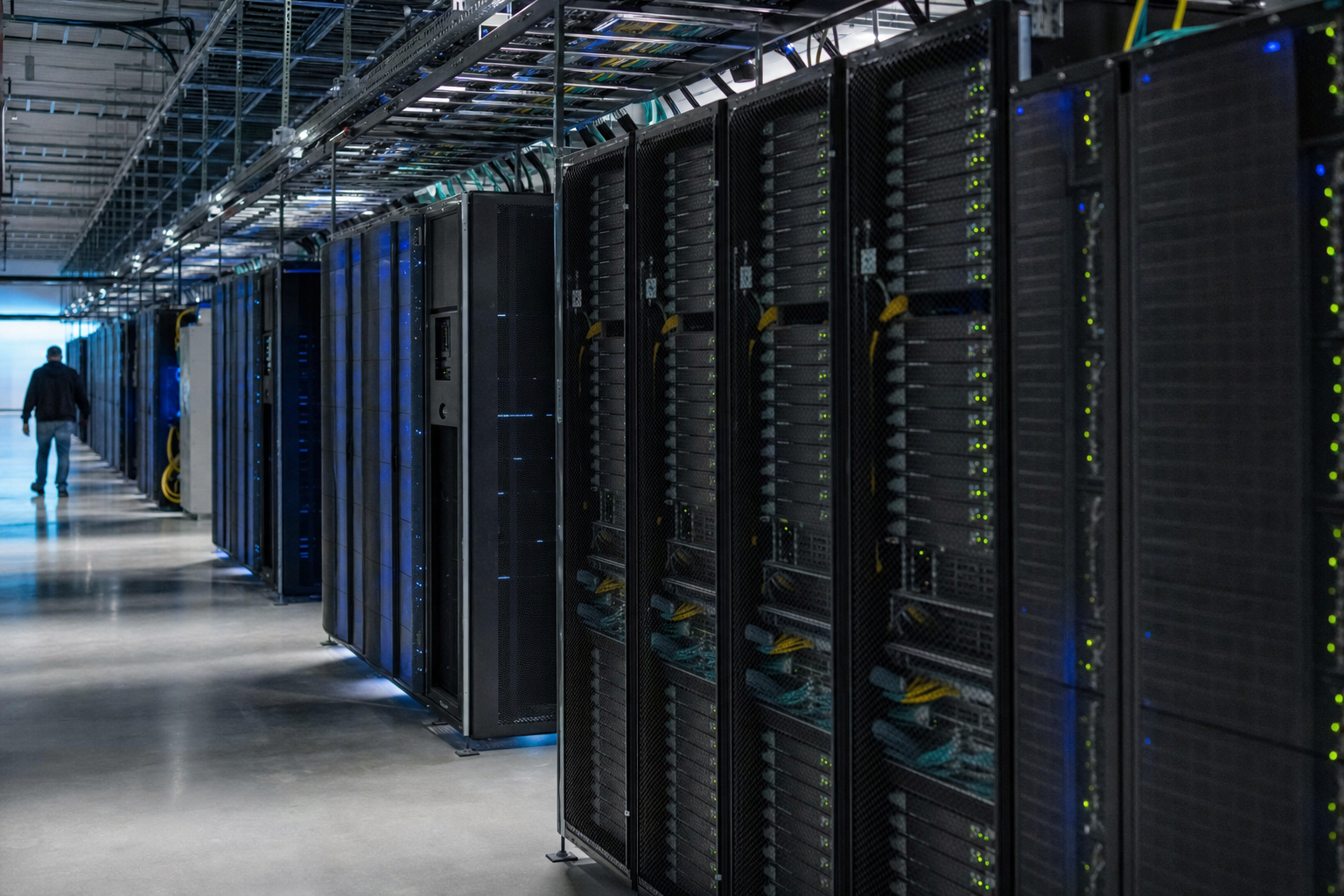
The semiconductor tape has not lost its AI story. It has lost some patience. May global sales reached $120.6 billion, up 9.2 percent month over month and more than double the year-earlier figure, according to the Semiconductor Industry Association, which is the sort of print that keeps the long case alive even when the shares stop cooperating. But the market has also started to ask whether the spending behind that demand is sustainable, and whether the return on AI capex will arrive on the schedule bulls have been assuming.
That tension is visible across the group. TSMC, the dominant advanced-node foundry, is still the reference name for AI-related strength, and reports that it has discussed price increases of as much as 10 percent starting in 2027 only reinforce the idea that the cycle is not dead. Intel has been more volatile, closing at $102.62 on July 22 after trading lower earlier in the month, and the broader chip complex has been hit by a sharp pullback in July as hedge-fund positioning and macro uncertainty pressed on the sector. You do not need a heroic interpretation to see why a director sale at GLOBALFOUNDRIES Inc. lands in the middle of that.
TSMC, Intel, and the valuation gap around GlobalFoundries
GlobalFoundries is not the stock market’s favorite foundry story. It is the more ordinary one, which is often where the interesting pricing happens. The company trades at roughly 41 times earnings, carries a consensus Hold, and has an average price target of $68.08. That is not cheap in the abstract, but it is also not the kind of multiple that implies the market has fully committed to a clean acceleration narrative. The stock closed at $58.49 on July 22, down 1.52 percent for the session, and traded within a recent daily range of roughly $57.50 to $59.76.
That matters because the sector is being repriced in real time. When the group is hot, investors forgive a lot. When the group cools, they start separating the names that can translate AI demand into durable economics from the names that are still mostly levered to the cycle. TSMC gets the premium treatment because it sits at the center of advanced-node demand. Intel gets the volatility because it is still a battleground. GlobalFoundries sits in between, with enough strategic relevance to matter and enough valuation to make people ask what is already in the price.
Insider activity in that setting is not a verdict. It is a piece of evidence. And because the stock has already been moving with the sector, the filing has to be read against the market, not in isolation.
Glenda Dorchak sold 4,000 shares, and the filing was not a mystery trade
The filing itself is straightforward. Director Glenda Dorchak sold 4,000 ordinary shares on July 20, 2026, at $58.22 per share, for a total of EUR 203,607 after euro-normalisation. The disclosure landed in an SEC filing dated July 22. The transaction followed a pre-established Rule 10b5-1 trading plan, which is the part that keeps this from being read as a fresh, discretionary call on the day’s headlines.
That does not make it meaningless. It just narrows the interpretation. A planned sale by a director is not the same thing as a panic exit, and it is not the same thing as a one-off tax event either, at least not from the facts in front of us. What you can say is simpler. A director reduced exposure while the stock was trading near the upper end of its recent range and while the semiconductor group was under pressure. That is the factual read. Anything beyond that is decoration.
The size also matters. Insiders Trades data puts the filing value at a negligible fraction of the company’s market value, under 0.01 percent. That keeps the transaction in the category of portfolio management rather than balance-sheet signaling. Still, the market rarely cares only about size. It cares about context, and this one arrived in a week when the sector was already being asked to justify its own enthusiasm.
The cluster is busy, and that is the real reason this filing is not alone
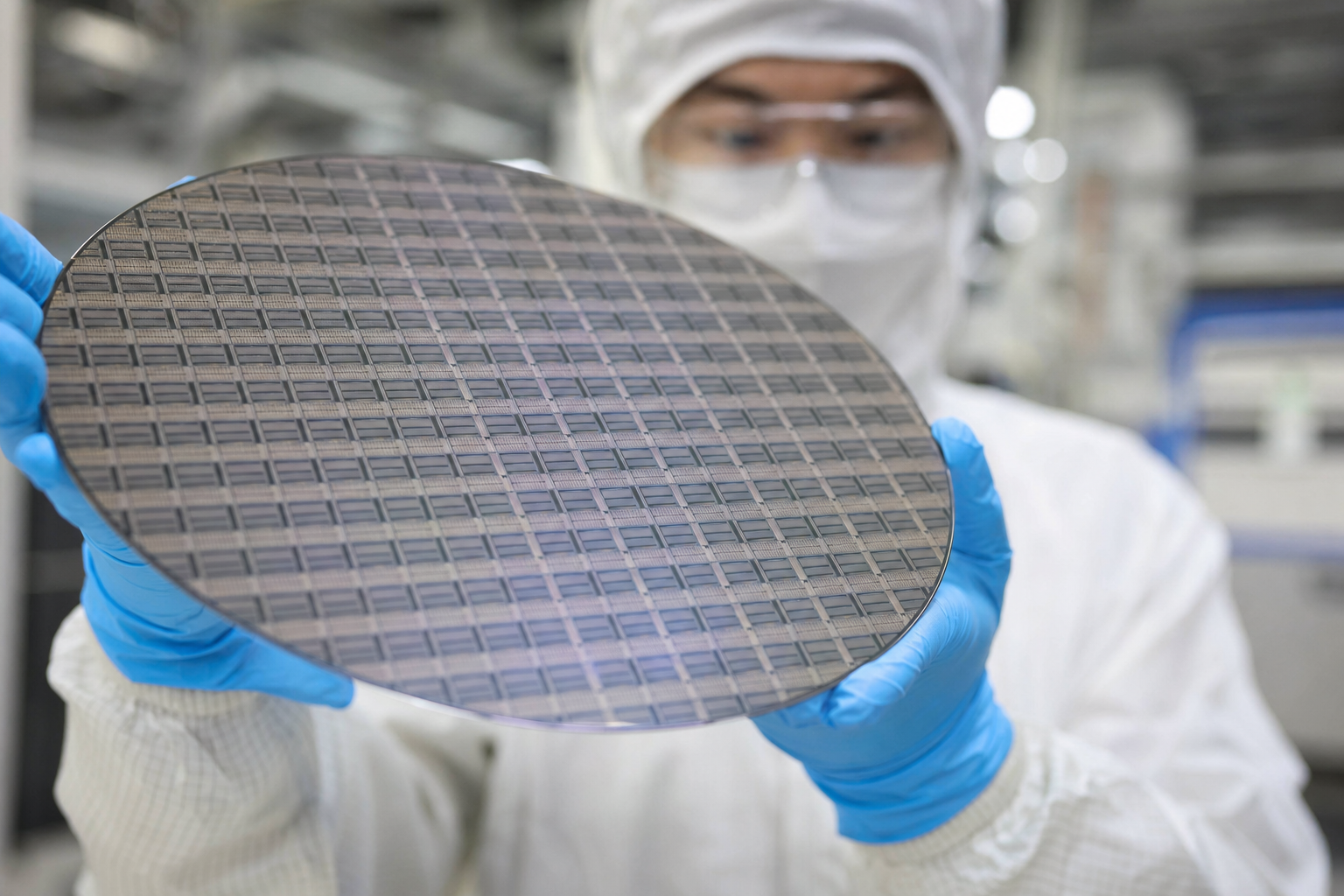
Insiders Trades data shows this as a cluster, with 3 distinct insiders and 12 recent declarations. The recent list is not subtle. Dorchak filed two sales on July 20 and July 22. Samak L. Azar sold on July 20 and July 13. Michael James Hogan bought on July 20 and sold on July 10. That mix is messy in the way real insider activity often is. It is not a single clean message. It is a set of overlapping decisions from different directors over a short window.
That is where the read gets more useful. A lone sale can be noise. A cluster tells you the boardroom is active around the stock, even if the direction is not uniform. Here, the pattern is tilted toward selling, but not exclusively. One director bought while others sold. That makes the filing harder to turn into a simple story about confidence or caution. It also makes it more honest. Boards are not monolithic, and insider behavior rarely arrives in a neat consensus package.
The score, such as it is, reflects that mix. Our scoring leans on the fact that the filing came from an operating director, sits inside a cluster, and was sized at a tiny share of market value. That is enough to keep it on the radar, not enough to turn it into a thesis by itself. The point is not that the sale screams anything. The point is that it happened inside a busier patch of insider activity, at a time when the sector itself is already under a microscope.
Historical cohort context for director trades
The historical cohort is useful because it keeps the conversation grounded. For director-level buys at mega-cap names, our cohort data shows a 54.6 percent 90-day win rate and a 3.03 percent average 90-day return across 2,850 cases. That is a modest edge, not a magic trick. It says that this kind of insider behavior has, on average, been associated with slightly positive forward outcomes over the next three months. It does not say this specific GlobalFoundries sale will do anything of the sort.
And this is a sale, not a buy. So the cohort is not even a direct match to the transaction direction here. That is the point. You do not force a historical bucket onto a trade just because the numbers are available. You use it to calibrate how much weight to give the filing class, then you move back to the company and the market. In this case, the calibration is modest. The filing is worth attention because it comes from a director, inside a cluster, during a sector drawdown. It is not worth pretending it is a predictive model.
The longer-horizon cohort number is stronger, with a 52.61 percent average return over 365 days for that same bucket, but again, that is a historical average for a role-and-size group, not a promise. The market does not owe you a repeat. It only owes you the next print.
GlobalFoundries’ fundamentals are decent, not dazzling
Insider activity gets more interesting when the company itself is in a gray zone, and GlobalFoundries fits that description. Insiders Trades data gives the company a fundamental score of 53, with a quality score of 58 and a value score of 47. Those are not bad numbers. They are also not the kind of numbers that make a director sale easy to dismiss as irrelevant. The stock has enough operating credibility to attract attention, but not so much obvious underpricing that every insider sale looks like a mistake.
That is why the valuation debate matters here. At roughly 41 times earnings, the stock is not trading like a distressed cyclical. It is trading like a company with some strategic value and some expectation embedded in the price. If the market is already paying for a decent amount of future execution, then insider selling during a sector wobble becomes a little more interesting. Not because it proves anything. Because it tells you where the margin for disappointment may be thinner than the headline multiple suggests.
The company’s next scheduled catalyst is its second-quarter 2026 results on August 5. That is the date that will matter more than the filing if management has anything new to say about demand, pricing, or the pace of customer commitments. Until then, the stock is being judged in the same crosscurrents as the rest of the chip group, with AI enthusiasm on one side and capex skepticism on the other.
What to watch before August 5
The first thing to watch is whether the sector stabilizes or keeps leaking. If semiconductors keep selling off into earnings, the market will be less forgiving of any company that looks even mildly expensive on forward earnings. GlobalFoundries does not need a crisis to feel that pressure. It only needs the group to keep wobbling while investors reassess how much AI infrastructure spending can be sustained without a pause.
The second thing is the tone of the August 5 release. GlobalFoundries does not need to out-TSMC TSMC. It needs to show that its own demand mix and pricing environment still justify the multiple. If management sounds comfortable with the order book and the margin path, the director sale will fade into the background where most planned insider transactions belong. If the update is cautious, the filing will look more like one more data point in a stock that was already being treated carefully.
The third thing is the insider pattern itself. A cluster with 3 distinct insiders and 12 recent declarations is not the sort of thing you ignore, especially when the balance of those declarations leans toward selling. But you also do not overread it. Directors trade for many reasons, and a Rule 10b5-1 plan strips out a lot of the drama people like to project onto these filings. The useful question is narrower. Does the company’s own update on August 5 confirm the market’s current caution, or does it give the stock a reason to stop trading like a sector proxy?
GlobalFoundries is still in the same trade as the rest of the chip group, only with a slightly different valuation and a less glamorous role in the AI stack. That makes the filing worth a look, not a conclusion. The next real test is the second-quarter report on August 5, and the market will have to decide whether the director sale was just a planned trim or the first quiet note in a more cautious quarter.
Sources and further reading
- Yahoo Financepress
- Macrotrendspress
- Robinhoodpress
- Gfpress
- Cnnpress
- Publicpress
- Heygotradepress
- Perplexitypress
This is not investment advice.