
El 8 de septiembre el petróleo estaba firme, y TotalEnergies no fue la única en notarlo
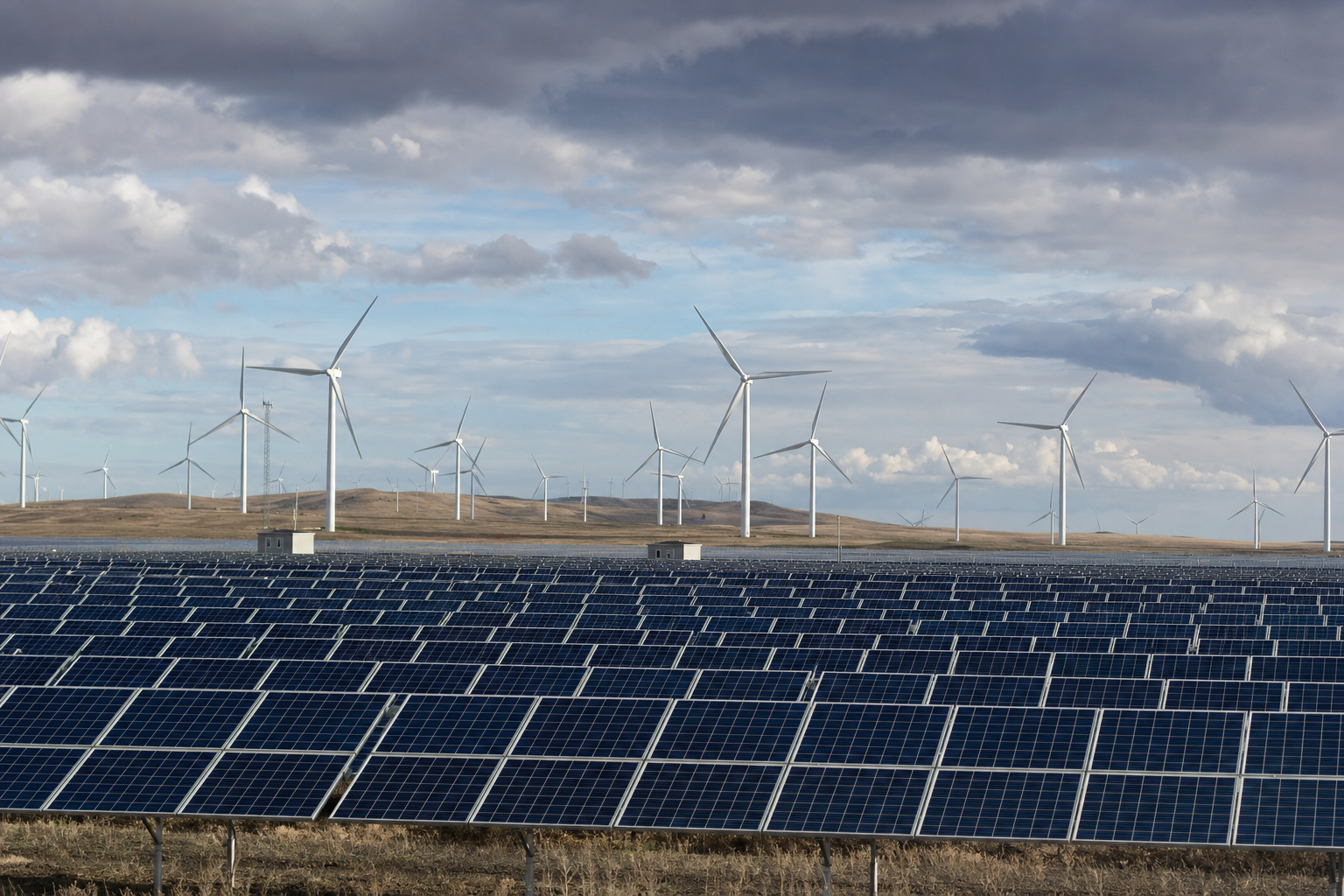
El 8 de septiembre, el mercado seguía pagando más por la exposición a la energía. El Brent presionaba hacia la parte alta de los 90, el WTI rondaba los $92, los rendimientos del Tesoro subían y el Dow estaba bajo presión mientras el petróleo devolvía a los tipos los temores inflacionarios. La energía aguantó mejor que el resto del panel. El Energy Select Sector SPDR mostraba fortaleza relativa, y eso importa aquí porque TotalEnergies no cotiza en el vacío. Se sitúa en el centro del grupo petrolero integrado, donde la generación de caja, las recompras y la disciplina de capital han sido el lenguaje preferido del mercado durante todo el año.
TotalEnergies SE cerró en EUR 77.75 en Euronext París el 8 de septiembre, con una subida del 0.58% en el día y un rango de EUR 76.92 a EUR 78.19. El ADR de la NYSE terminó en $90.14, con una subida del 1.75%. Esa es la evolución del precio en la que cayeron las notificaciones. No un mercado de pánico. Tampoco uno eufórico. Solo un mercado que ya daba demanda a la energía antes de que las operaciones de insiders llegaran al feed.
Del 7 al 8 de septiembre, las ventas llegaron en fila
La primera operación de este grupo llegó el 7 de septiembre, cuando Romain Garcia Ivaldi comunicó una venta de EUR 469,515.14. Valerie Della Puppa Tibi la siguió en la misma fecha con EUR 86,661.31. No fueron las cifras más grandes del grupo, pero marcaron el tono. No fue una venta aislada de un solo accionista. Fue el comienzo de una secuencia más amplia.
El 8 de septiembre es donde apareció la escala. Jean Pierre Sbraire, que es Jean Pierre Sbraire, notificó una venta de EUR 4,872,452.22, la mayor del conjunto. Bernard Pinatel vendió EUR 4,331,731.25. Nicolas Terraz vendió EUR 3,540,458.80. Namita Shah vendió EUR 3,213,131.48. Stéphane Michel vendió EUR 2,773,317.02. Catherine Remy vendió EUR 625,098.18. Emmanuelle Guegan notificó dos ventas, de EUR 133,219.89 y EUR 50,237.28. Angel Pobo vendió EUR 70,757.60. Vincent Stoquart vendió EUR 17,483.73. Sumadas, resultan unos EUR 19.7m en valor de notificación normalizado en euros a lo largo de los dos días.
Es mucho papel para una compañía con un valor de mercado de en torno a EUR 164.2bn. Está además repartido entre un grupo amplio, que es la parte más interesante. Las ventas no se limitaron a un rincón de la organización. Alcanzaron a directivos operativos, a representación en el consejo ligada a los empleados y a la cúpula. Los datos de Insiders Trades marcan la configuración como un grupo, y es la palabra adecuada. Diez insiders distintos, 12 declaraciones recientes, misma dirección, misma ventana estrecha. No hace falta exagerar para ver el patrón.
La venta de EUR 4.87m de Jean Pierre Sbraire es el ancla, no toda la historia
La mayor notificación procedió de Jean Pierre Sbraire el 8 de septiembre, por EUR 4,872,452.22. Es un consejero ejecutivo, y nuestro scoring le da peso. Lo da también al hecho de que la operación se inscribe en un amplio grupo, con 10 insiders operando el mismo valor en la misma dirección durante el último trimestre, y al tamaño de la notificación en relación con la compañía. La operación es una fracción insignificante del valor de mercado, menos del 0.01%, lo que evita que parezca un evento de balance o una alarma de gobernanza. Es una venta, sin más, pero una venta de alguien dentro de la estructura operativa, no de un accionista pasivo recortando un bolsillo secundario.
El resto de operaciones del 8 de septiembre importan porque muestran amplitud. La venta de EUR 4.33m de Bernard Pinatel y la de EUR 3.54m de Nicolas Terraz no son errores de redondeo. Tampoco los EUR 3.21m de Namita Shah ni los EUR 2.77m de Stéphane Michel. Cuando se ven tantas notificaciones de nivel directivo en una sesión, la pregunta no es si una persona tenía una razón personal para vender. La gente siempre tiene razones personales. La pregunta es si la compañía está viendo un patrón coordinado de monetización en un momento en que la acción ya ha ido bien y el entorno sectorial es favorable.
TotalEnergies ha estado también recomprando acciones, lo que evita que el cuadro quede demasiado ordenado. La compañía comunicó recompras de unos 1.21 millones de acciones por EUR 93m a finales de agosto y comienzos de septiembre. Es una decisión separada de asignación de capital, y no anula las ventas de insiders. Sí indica, sin embargo, que la compañía sigue activa en el otro lado del libro. Un lado es la dirección monetizando. El otro es la compañía retirando acciones de circulación.
Qué señalaba el mercado energético cuando llegaron las notificaciones
El entorno sectorial importa porque los insiders del sector energético no operan en un entorno neutral. El 8 de septiembre, el crudo seguía elevado tras la tensión geopolítica, incluidos el conflicto entre EE. UU. e Irán y las interrupciones que afectan al estrecho de Ormuz. El Brent había rondado o superado recientemente entre $97 y $99 por barril antes de cierto retroceso, mientras el WTI se situaba cerca de $92. Es un escenario favorable para las grandes integradas, sobre todo las que tienen exposición a la producción y suficiente lastre de refino y GNL como para que el flujo de caja no sea una apuesta puramente petrolera.
Ese entorno explica también por qué TotalEnergies merece leerse frente a sus competidores y no de forma aislada. ExxonMobil había cotizado cerca de $159 a $160 con ganancias acumuladas en el año de en torno al 35%. Chevron estaba cerca de $208 a $210, con una subida de en torno al 41% en el año. Shell estaba cerca de $93, con una subida de en torno al 30%. BP estaba cerca de $43.80, con una subida de en torno al 31%. La propia TotalEnergies había ofrecido aproximadamente un 39% en el año en los datos recientes citados. En otras palabras, la acción ya ha tenido una buena racha, y lo ha hecho en un grupo donde el mercado ha premiado la escala, los retornos de capital y la exposición a unos precios de materias primas firmes.
Por eso el grupo de insiders cae con más peso que en un mercado débil. Si la acción se rezagara mucho y el sector estuviera bajo presión, sería más fácil archivar esto como monetización rutinaria. Aquí, la compañía cotiza bien, el sector está de moda y las ventas proceden de un conjunto amplio de directivos. Eso no lo convierte en un veredicto. Sí lo convierte en un dato que no conviene aplanar como ruido de fondo.
La lectura de la cohorte es modesta, y por eso mismo pertenece al marco
Los datos de Insiders Trades sitúan el segmento histórico relevante en compras de nivel consejero en valores de mega capitalización, con un tamaño de muestra de 5,264, una tasa de acierto a 90 días del 47.2%, un rendimiento medio a 90 días del 0.58% y un rendimiento medio a 365 días del 87.53%. Son datos históricos de cohorte, no una promesa sobre TotalEnergies ni una afirmación de que este grupo deba comprarse o venderse por sí solo. El punto es más estrecho. Al observar la actividad de nivel consejero en grandes compañías, la ventaja a corto plazo no es dramática. El segmento no es una varita mágica. Es una herramienta de contexto.
Ese contexto importa porque las notificaciones actuales son ventas, no compras. La estadística de la cohorte es de compras, lo que significa que no conviene trasladarla perezosamente a este grupo y fingir que el signo no importa. Sí importa. Un grupo de ventas tras una fuerte subida en una compañía que ya se beneficia de un entorno favorable de materias primas es una lectura distinta de la compra de un consejero con la acción débil. Lo primero suele indicar monetización, gestión de cartera o el calendario de la remuneración. Lo segundo indica otra cosa. No deben confundirse.
Nuestro scoring llega a 6.1 en una escala de 10 puntos en V14e, y la razón es bastante directa: notificó un consejero ejecutivo, el valor se inscribe en un amplio grupo, y el valor de la notificación es grande en términos absolutos aunque minúsculo frente a la capitalización. Es un filtro útil, no una tesis. El score fundamental es 67, con valor en 76 y calidad en 58, lo que indica que la compañía no llega aquí como una historia rota. Es una gran petrolera rentable con un perfil fundamental decente y una acción que el mercado ya ha premiado.
Por qué este grupo se parece más a monetización que a dificultades
La forma más limpia de leer las notificaciones del 7-8 de septiembre es separar la escala de la señal. La escala es obvia. Unos EUR 19.7m entre diez insiders no es trivial. La señal es más confusa. Las ventas llegaron tras un gran año para la acción, en un sector que ha tenido demanda por un crudo más alto, y junto a recompras de la compañía. Esa combinación se inclina hacia la monetización con la acción en alza y no hacia una alarma interna repentina.
El grupo incluye además nombres cercanos a las operaciones y la estrategia. Jean Pierre Sbraire, Bernard Pinatel, Nicolas Terraz, Namita Shah, Stéphane Michel, Catherine Remy, Emmanuelle Guegan, Angel Pobo, Vincent Stoquart y los vendedores del 7 de septiembre aparecen todos en la misma ventana estrecha. Esa amplitud es lo que mantiene viva la historia. Si solo un directivo hubiera vendido EUR 4.87m, se tomaría nota y se seguiría adelante. Cuando diez insiders notifican en la misma dirección durante dos días, hay que preguntarse si el momento refleja una ventana compartida, un evento de remuneración o una disposición más amplia a aligerar tras un fuerte movimiento.
No hace falta inventar un motivo para ver el patrón. La acción ya había avanzado. El entorno sectorial era favorable. La compañía seguía recomprando acciones. Las notificaciones eran públicas y se hicieron ante la AMF francesa en las fechas indicadas. Eso basta para enmarcar la operación sin fingir saber qué tenía en mente cada insider.
Qué vigilar tras las notificaciones del 8 de septiembre
Lo primero que vigilar es si el grupo se extiende más allá del 8 de septiembre. Una o dos notificaciones más no cambiarían mucho la historia. Una racha continuada de ventas de directivos sí. La diferencia entre una ráfaga de monetización y un patrón sostenido es la diferencia entre una nota al pie y una tendencia. No hacen falta una docena de nombres más para hacer esa distinción. Hace falta ver si la misma dirección sigue apareciendo después de que el mercado haya tenido tiempo de digerir la primera oleada.
Lo segundo que vigilar es la reacción de la propia acción frente al crudo. TotalEnergies ya se ha movido con el sector, y el sector se ha movido con el petróleo. Si el Brent se mantiene elevado y las acciones siguen cerca de los máximos recientes, el grupo de insiders parecerá más un evento de momento en torno a la fortaleza. Si el crudo se da la vuelta y la acción pierde su demanda, las mismas notificaciones se leerán de otra manera. No es una previsión. Es la forma práctica de mantener honesta la operación.
Lo tercero es el ritmo de retorno de capital de la propia compañía. Las recompras de finales de agosto y comienzos de septiembre importan porque muestran que la dirección sigue activa en el mercado de sus propias acciones. Si las recompras continúan mientras las ventas de insiders se desvanecen, el equilibrio de la evidencia vuelve hacia la monetización rutinaria. Si las recompras se ralentizan y las ventas de insiders siguen llegando, el mercado tendrá una pregunta más limpia que responder. Por ahora, la cronología es bastante simple. El 7 de septiembre trajo las primeras ventas. El 8 de septiembre trajo las pesadas. La acción aguantó. El petróleo siguió siendo favorable. Las notificaciones no llegaron en el vacío, y por eso mismo merece la pena leerlas ahora.
Fuentes y lecturas adicionales
- Stock Analysispress
- Finanzenpress
- MarketWatchpress
- Stockinvestpress
- Onvistapress
- MarketWatchpress
- MarketWatchpress
- Stock Analysispress
Esto no es asesoramiento de inversión.