
Primero el flujo de operaciones, después las comunicaciones
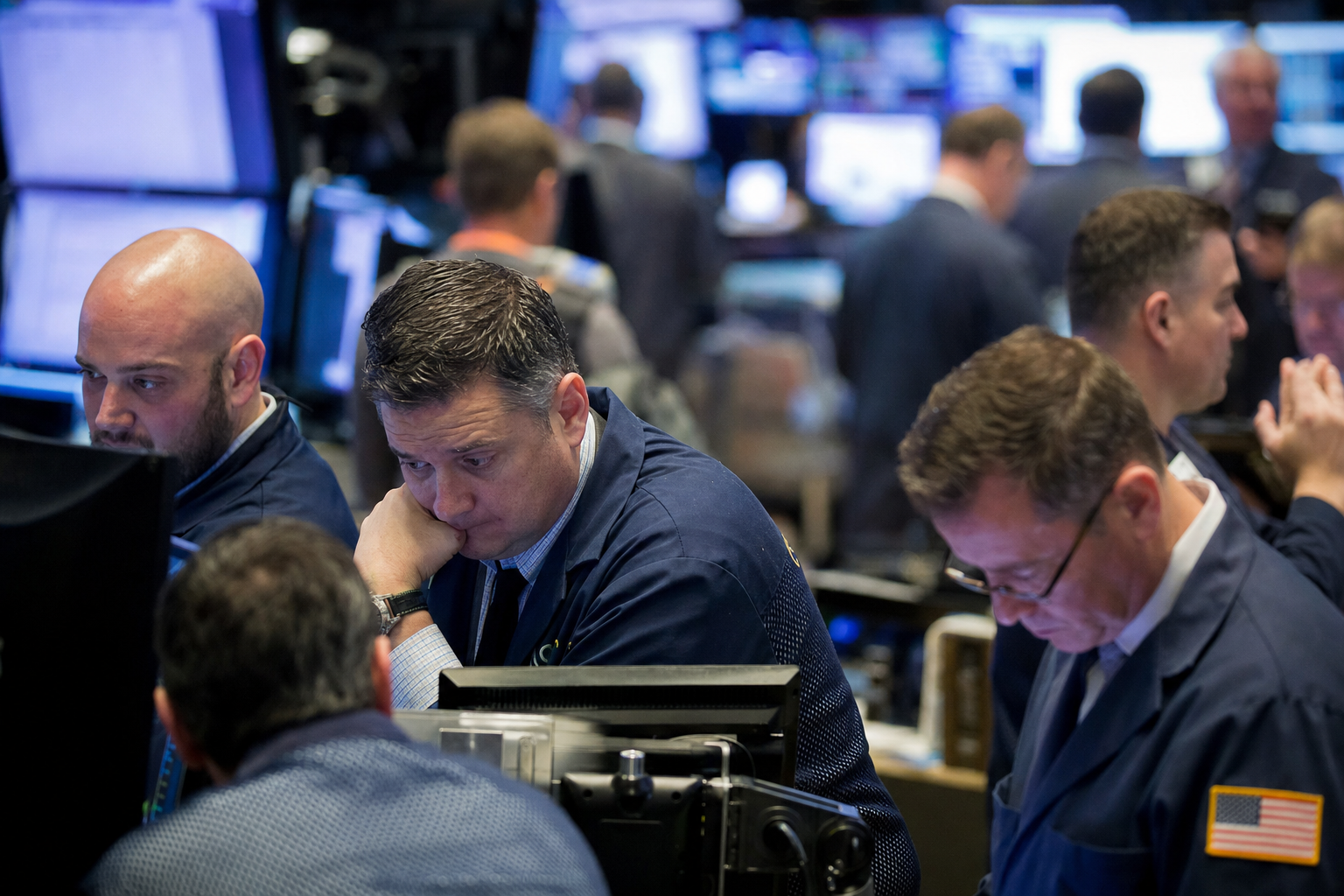
ABC Arbitrage no vive ni muere de los mismos factores que un banco o una gestora de activos solo largos. Se gana la vida con arbitraje cuantitativo, desajustes de liquidez, riesgo ligado a eventos, diferenciales estadísticos y actividad en derivados sobre renta variable e instrumentos relacionados. Cuando las fusiones y adquisiciones avanzan, cuando aumentan las operaciones corporativas, cuando los volúmenes de negociación se amplían y la volatilidad deja de ser educada, el negocio tiene más con lo que trabajar. Cuando esas condiciones se desvanecen, el modelo se vuelve menos indulgente.
El contexto actual importa por ese motivo. El valor global anunciado de las operaciones de fusiones y adquisiciones subió un 48% interanual en el primer semestre de 2026, ayudado por mejores condiciones de financiación y un entorno regulatorio más predecible, según Goldman Sachs. Eso no regala nada a ABC Arbitrage. Pero sí da a un operador especializado en arbitraje más materia prima que la que tenía en un mercado de operaciones muerto. La acción también tiene una beta baja de 0.34, así que no se compra un sustituto de mercado de alto octanaje. Se compra un motor de beneficios de nicho que suele responder a la fontanería de los mercados y no al ánimo del índice.
En ese contexto, las comunicaciones de ABC Arbitrage merecen una lectura adecuada. Aubepar Industries SE, consejera y gran accionista, vendió el 7 de septiembre y de nuevo el 8 de septiembre. Los valores de las comunicaciones normalizados a euros fueron EUR 52,258 y EUR 15,271. Pequeños en términos absolutos, sí. Pero se trata de un titular que controla aproximadamente el 11.93% de la compañía, y las ventas se inscriben en una racha más amplia de desinversiones y no en una operación de mera gestión aislada.
ABC Arbitrage como cartera especializada de negociación
ABC Arbitrage es fácil de clasificar mal si solo se mira de pasada la etiqueta del sector. Está en finanzas y banca, pero el negocio se parece más a una casa especializada de negociación que a un prestamista de balance o a una gestora con muchas comisiones. Sus materiales de presentación describen una mezcla de arbitraje de liquidez, arbitraje de riesgo ligado a fusiones y adquisiciones y eventos, arbitraje estadístico y arbitraje de derivados. Esa mezcla importa porque la acción no trata principalmente de activos bajo gestión ni de un ciclo de producto único. Trata de si el entorno de mercado sigue ofreciendo a la firma ineficiencias negociables.
Eso hace útil el grupo de comparables. Flow Traders, Virtu Financial y Man Group no son negocios idénticos, pero ayudan a enmarcar las expectativas del mercado para los valores especializados en negociación y arbitraje. Estas compañías suelen juzgarse según si la volatilidad, los diferenciales y la actividad de eventos cooperan. ABC Arbitrage es más pequeña y más visible a nivel doméstico que algunos de esos pares, pero la lógica es la misma. Si la actividad de operaciones mejora y los mercados siguen activos, el contexto operativo mejora. Si el mercado se adormece, el negocio tiene que esforzarse más para lograr el mismo resultado.
El precio de la acción no ha recompensado precisamente la paciencia. A principios de septiembre de 2026, ABC Arbitrage cerró en torno a EUR 5.21 a EUR 5.25, con una capitalización de unos EUR 312 millones. Cotizaba aproximadamente entre un 12% y un 13% por debajo de su máximo de 52 semanas de unos EUR 5.96, alcanzado en septiembre de 2025, y había caído entre un 11.5% y un 13.6% en el último año. No es un colapso. Es una deriva a la baja, que a menudo es el tipo de mercado más molesto porque deja menos puntos de pánico evidentes y más espacio para la complacencia.
El perfil de valoración y de ingresos de la compañía también condiciona cómo trata el mercado el valor. Datos recientes sitúan el PER de los últimos doce meses en torno a 12 veces y la rentabilidad por dividendo en torno al 6.5%, con precios objetivo de consenso superiores al precio actual. Esas cifras no hacen barata la acción por sí solas, y tampoco la hacen cara. Sí indican que el mercado sigue dispuesto a pagar por el perfil de generación de caja, incluso tras un año de rendimiento inferior.
Ventas de septiembre de un titular con presencia en el consejo
El detalle de la comunicación es sencillo. Aubepar Industries SE vendió el 7 de septiembre y volvió a vender el 8 de septiembre. La primera operación valió EUR 52,258 y la segunda EUR 15,271. Ambas se comunicaron como ventas, ambas fueron comunicaciones de nivel de consejo y ambas se marcaron como parte de un grupo. El cargo del titular importa aquí porque no se trata de un empleado cualquiera recortando unas pocas acciones tras una consolidación de derechos. Es un gran accionista con asiento en la mesa.
El tamaño también importa, pero de una manera concreta. Los datos de Insiders Trades sitúan la venta del 7 de septiembre en aproximadamente el 0.017% del valor de mercado y la del 8 de septiembre en el 0.005%. No son operaciones gigantes. No son el tipo de operaciones que obligan a cambiar una tesis por sí solas. Pero tampoco carecen de sentido, sobre todo cuando llegan como parte de una secuencia más amplia de desinversiones del mismo titular. La lista reciente de declaraciones muestra ventas el 1, 2, 3, 4, 7 y 8 de septiembre. Eso es un patrón, no un movimiento suelto.
El mercado no debería leer ese patrón como una gran narrativa. Un titular puede vender por muchas razones, y las comunicaciones no dicen cuál. Aun así, las ventas repetidas de un consejero y gran accionista no son lo mismo que una única venta rutinaria. Indican de dónde viene la presión marginal. En una acción que ya ha pasado un año por debajo de su máximo, eso basta para importar en el margen.
Los datos de Insiders Trades dan a este grupo una puntuación de 5.2 según la versión V14e. Los motivos son bastante claros. Es un grupo de operaciones en un valor de pequeña o mediana capitalización, los valores de las comunicaciones son modestos pero no triviales y la compañía se sitúa en la banda donde la información de directivos ha estado históricamente menos descontada. Ese es el marco. No es un veredicto. Es una forma de separar las ventas repetidas de un titular del consejo del ruido de fondo.
Historia de cohorte de operaciones de consejo en la zona óptima

El segmento de cohorte relevante son las compras del consejo en valores de zona óptima en el rango de EUR 300 millones a EUR 1 mil millones. El tamaño de la muestra es de 2,204. La tasa de acierto a 90 días es del 51.6%, la rentabilidad media a 90 días es del 1.46% y la rentabilidad media a 365 días es del 65.66%. Es un contexto útil, pero solo si se mantiene en su carril. Son datos históricos de cohorte para un segmento por rol y tamaño. No son una previsión para ABC Arbitrage. Tampoco son una promesa de que una venta de un titular del consejo aquí vaya a llevar al resultado contrario.
La razón para mencionarlo es que ABC Arbitrage se sitúa en la misma banda de tamaño donde la actividad de directivos ha estado históricamente valorada con menos eficiencia que en los mayores nombres. Eso no hace accionable cada comunicación. Sí significa que el mercado puede ser más lento en incorporar lo que dicen las ventas repetidas a nivel de consejo sobre el posicionamiento interno. En un valor financiero pequeño y especializado, eso importa más que en una megacapitalización donde la operación de un titular es un error de redondeo.
Los fundamentales de la propia compañía no gritan dificultades. Los datos de Insiders Trades muestran una puntuación fundamental de 78, con una puntuación de calidad de 88 y una de valor de 69. El crecimiento no figura en el expediente, así que no hay razón para fingir lo contrario. El punto es más estrecho. No es un negocio roto con un perfil que se desploma. Es un operador de nicho rentable cuya acción se ha suavizado mientras el contexto sectorial ha mejorado. Es exactamente el tipo de situación en que las ventas de directivos pueden leerse como una señal de cautela y no como algo que mate la tesis.
Por qué la acción puede quedarse atrás aunque el contexto ayude
ABC Arbitrage está expuesta a la misma mecánica de mercado que puede hacer que los valores especializados en negociación parezcan mejores o peores de lo que merecen en ventanas cortas. La actividad de operaciones ayuda. La volatilidad ayuda. El volumen de negociación ayuda. Pero esos factores no llegan en línea recta, y no siempre aparecen en el mismo trimestre en que mejoran los titulares macro. Un mercado de fusiones y adquisiciones más fuerte en el primer semestre de 2026 es favorable, pero no garantiza que el segundo semestre sea igual de cooperativo.
Ahí el momento se vuelve interesante. Las ventas llegaron justo antes de los resultados del primer semestre previstos en torno al 22 de septiembre de 2026. La temporada de resultados es siempre un lugar donde se pone a prueba el posicionamiento. Para una compañía como ABC Arbitrage, el mercado querrá saber si la mejora del contexto de operaciones se traduce en actividad real, si el entorno de negociación se ha mantenido constructivo y si la firma sigue recogiendo suficiente diferencial y flujo de eventos para justificar el dividendo y la valoración. Las comunicaciones no responden a esas preguntas. Se sitúan a su lado.
La beta baja también juega en ambos sentidos. Un perfil defensivo puede hacer que la acción parezca estable, pero también puede dejar menos espacio para una revalorización dramática si el mercado decide que el negocio es simplemente correcto. Esa es una razón por la que importa la deriva a la baja de todo un año. La acción no ha sido castigada como un desastre cíclico. Simplemente no ha seguido el ritmo de un contexto que debería haber ayudado más de lo que lo hizo. En ese tipo de mercado, las ventas repetidas de directivos se notan fácilmente porque hay poco impulso de precio que las oculte.
Las ventas del titular del consejo y la paciencia del mercado
Aubepar Industries SE no es un vendedor improvisado. Es un miembro del consejo y gran accionista con una participación de aproximadamente el 11.93%. Cuando ese titular vende dos veces en dos días, tras una racha de desinversiones anteriores en septiembre, el mercado tiene derecho a preguntarse si las ventas son simple gestión de cartera o una reducción más deliberada de la exposición. Las comunicaciones no lo dicen. Rara vez lo hacen. Pero el patrón es lo bastante claro como para registrarse.
Los importes son modestos en relación con la compañía, y es ahí donde los lectores a veces se vuelven perezosos. Ven un valor pequeño en euros y asumen que la operación es demasiado pequeña para importar. Es un error en un valor como este. En una compañía de EUR 305 millones a EUR 312 millones, las ventas repetidas de un titular del consejo no tratan del efectivo absoluto obtenido. Tratan de la dirección del movimiento. El mercado no necesita una gran venta en bloque para notar cuando un titular de largo plazo sigue inclinándose en la misma dirección.
Aun así, no conviene convertir eso en una apuesta bajista generalizada. ABC Arbitrage tiene un modelo de negocio que puede mejorar rápidamente cuando el entorno de mercado coopera. También tiene un perfil de dividendo que mantiene interesados a los titulares orientados a la renta. Si los resultados del primer semestre muestran que la firma convierte el mejor contexto de fusiones y adquisiciones en beneficios y caja, la acción puede absorber buena parte de este ruido de ventas. Si las cifras decepcionan, las comunicaciones parecerán más una alerta temprana que una nota al pie.
Qué vigilar cuando lleguen los resultados
La próxima prueba real es la actualización del primer semestre en torno al 22 de septiembre. Ahí el mercado verá si la compañía ha podido convertir el entorno de operaciones de 2026 en ingresos reales de negociación. Hay que observar el tono sobre la actividad, la contribución de las estrategias de arbitraje y si la dirección suena segura sobre el segundo semestre. Esos son los detalles operativos que importan para una cartera especializada como esta. Las comunicaciones solo indican que un titular importante ha estado reduciendo exposición de cara a esa cifra.
El posicionamiento de la acción también importa. En torno a EUR 5.21 a EUR 5.25, sigue por debajo del máximo de 52 semanas y por debajo de donde estaba hace un año. Eso deja espacio para que un mejor resultado ayude. También deja espacio para que la decepción golpee más fuerte que en una acción ya valorada para los problemas. El mercado no pide perfección aquí. Pregunta si el negocio puede seguir ganándose el sustento en un entorno mejor de negociación y de operaciones.
Los marcadores de estrategia de los datos de Insiders Trades merecen mencionarse una vez, porque enmarcan el sistema más amplio y no esta operación. El titular del backtest con datos en el momento (point-in-time) es 0,68, con 9,9 % (STOXX Europe 600 en las mismas fechas: 8,0 %) y (cifra retirada, ver la auditoría 231) sobre el mismo universo restringido de mercados de la UE, pero esas cifras viven en una ventana corta de un solo régimen y no sobreviven a la deflación consciente de la búsqueda. Son un filtro, no una afirmación de alfa. Para ABC Arbitrage, la pregunta práctica es más simple: ¿encajan las ventas repetidas de un titular del consejo con una acción que ya ha perdido impulso, o el próximo resultado mostrará suficiente fortaleza operativa para que las ventas parezcan rutinarias?
La respuesta no vendrá solo de la comunicación. Vendrá de las cifras del primer semestre de la compañía, del tono sobre el flujo de operaciones y de si el mercado decide que las ventas recientes eran solo un titular recortando en un periodo tranquilo. Hasta entonces, la lectura útil es estrecha y concreta. Un accionista a nivel de consejo vendió dos veces a principios de septiembre, la acción ha ido a la deriva a la baja y el negocio sigue dependiendo de un contexto de mercado que ha mejorado pero todavía no ha demostrado ser duradero.
Fuentes y lecturas adicionales
- Compress
- Stock Analysispress
- Simply Wall Stpress
- Marketscreenerpress
- Yahoo Financepress
- Abc-arbitragepress
- Yahoo Financepress
- Businessinsiderpress
Esto no es asesoramiento de inversión.