
Los seguros de daños tienen un buen año, Horace Mann no cotiza como una ganga
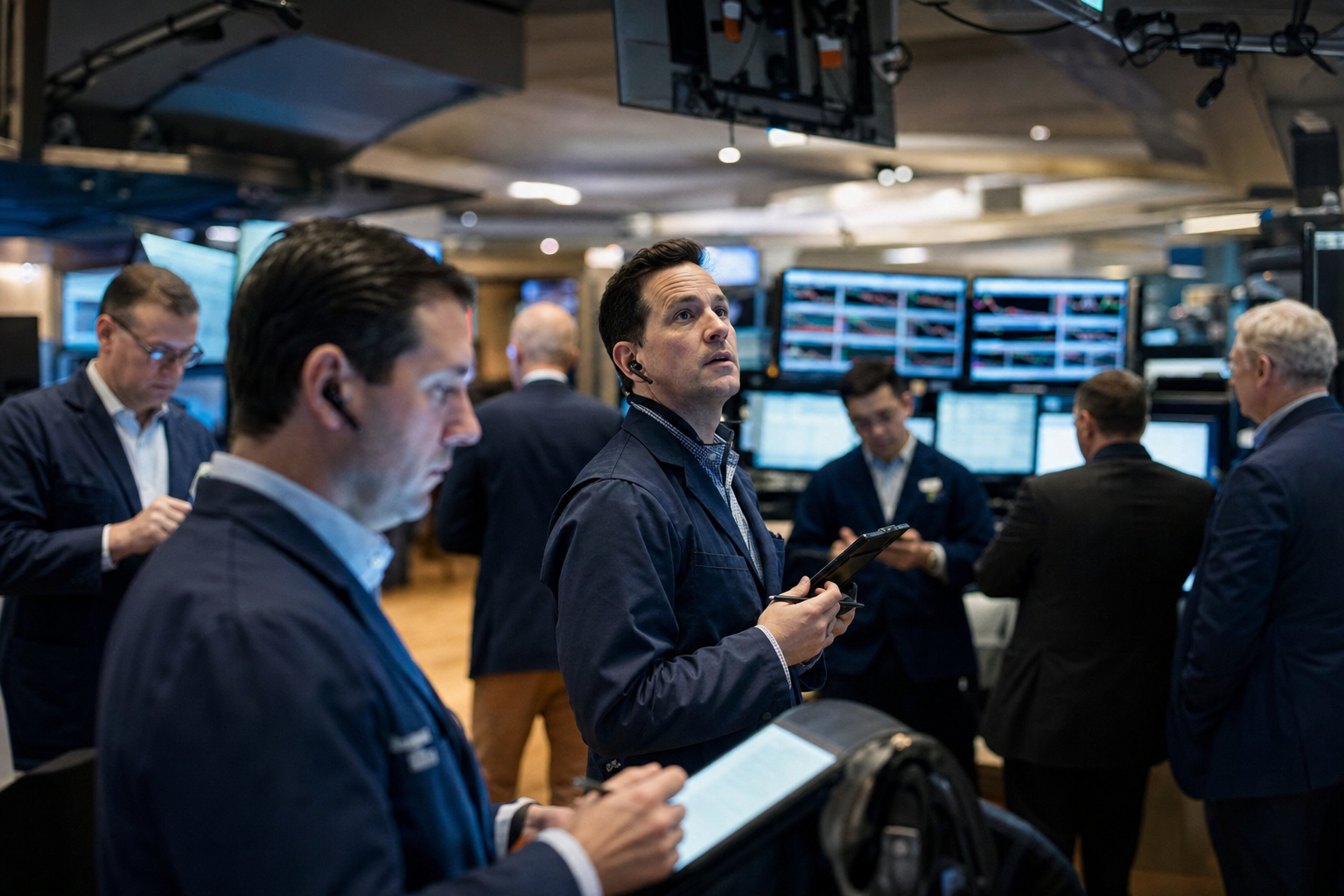
Horace Mann se sitúa en un sector que ha tenido un recorrido decente. Las aseguradoras estadounidenses de daños acaban de presentar lo que un informe sectorial calificó como su mejor primer semestre en años, con un resultado técnico neto de $31.2 mil millones, casi el triple del nivel del año anterior, un ratio combinado de 92.5 y unas pérdidas por catástrofes 6.2 puntos inferiores. Las primas netas emitidas subieron un 3 por ciento y los ingresos por inversiones un 12 por ciento. Es el tipo de contexto que suele dar a las aseguradoras margen para hablar de disciplina, precios y retorno de capital sin sonar a la defensiva.
Horace Mann ha tenido sus propias buenas noticias. La compañía declaró un BPA básico del segundo trimestre de $1.17, por encima de las estimaciones, sobre unos ingresos de $443.5 millones, y elevó la guía de BPA básico de todo 2026 a $4.60 a $4.90. La acción sigue cotizando cerca de $50 a $51 a principios de septiembre, por debajo de su máximo de 52 semanas de $55.56. No es un gráfico en dificultades. Tampoco es un valor que el mercado valore como si el dinero fácil se hubiera acabado.
Nuestra lectura de cohorte para compras de consejeros en empresas de mediana capitalización muestra una tasa de acierto a 90 días del 54.1% y una rentabilidad media del 5.85%. Es contexto útil, y nada más. Indica que este segmento por rol y tamaño ha tendido históricamente a ser positivo a 90 días. No dice lo que hará Horace Mann a continuación.
Horace Mann frente a Progressive y Allstate
El conjunto de comparables importa aquí porque Horace Mann no es una historia de aseguradora de mercado amplio. Es una franquicia de nicho construida en torno a educadores, con productos de auto, hogar, vida y jubilación. Eso la sitúa en el mismo carril general de seguros que las grandes multirramo, pero no en la misma categoría competitiva. Progressive y Allstate tienen una escala en líneas personales que Horace Mann no tiene. Pueden absorber más ruido, gastar más en distribución y aun así mantener la atención del mercado. Horace Mann tiene que ganársela.
Esa menor dimensión juega en ambos sentidos. Una cartera de nicho puede ser menos volátil, y el mercado parece conceder a Horace Mann una beta más baja que la de los grandes nombres de líneas personales. La compañía también paga un dividendo trimestral de $0.36, que supone una rentabilidad en torno al 2.8 por ciento sobre el precio de acción citado. No es un argumento clamoroso de rentas, pero sí da a la acción una base de titulares distinta de la de un valor de puro crecimiento o pura recuperación.
Un PER de los últimos doce meses cercano a 11.8 y una capitalización de entre $2.0 mil millones y $2.1 mil millones sitúan a HMN en un segmento de valoración muy ordinario para una aseguradora rentable con una reciente mejora de guía. Por eso mismo importan las ventas de directivos. Cuando una acción no es lo bastante barata como para ignorarla ni lo bastante cara como para descartarla, el registro de comunicaciones puede indicar si la dirección y los consejeros siguen apostando por ella. Aquí, se están apartando.
Perry Hines vende, y el formulario no es sutil
La primera comunicación que importa es la de Perry G. Hines, consejero que vendió 3,237 acciones el 3 de septiembre de 2026 a $52.22 cada una, por unos EUR 145,777 en valor de comunicación normalizado a euros. La misma operación fue precedida por un aviso Form 144 a principios de ese mes para el mismo número de acciones, valorado en aproximadamente $169,036. Hines se quedó con 25,117.511 unidades de acciones restringidas consolidadas. Es una venta limpia y ordinaria, no una salida dramática. Sigue siendo una venta, y llegó en una acción que ya cotizaba cerca de la parte alta de su rango reciente.
Donald Carley, el director jurídico, vendió 2,054 acciones en la misma fecha a $52.28 por unos $107,383. No hace falta decir al mercado que un director jurídico que vende con la acción fuerte no es lo mismo que un consejero que recorta unas pocas unidades consolidadas. Cargos distintos, incentivos distintos, lecturas distintas. Pero la dirección es la misma, y el momento es el mismo. Ese es el punto.
Los datos de Insiders Trades marcan esto como un grupo, y el grupo no es un caso aislado. Cinco directivos distintos han operado el valor en la misma dirección durante el último trimestre, y ha habido 12 declaraciones recientes. La lista reciente incluye ventas repetidas de Marita Zuraitis, CEO, además de la venta del 14 de agosto del consejero Thomas A. Bradley. Cuando un consejo y la alta dirección se mueven en el mismo sentido en una ventana corta, no hace falta exagerar para ver el patrón. Basta con respetarlo.
Qué dice el grupo cuando la acción está cerca de $50

El precio de la acción importa porque las ventas de directivos son siempre relativas al precio, no solo al tamaño absoluto. HMN cerró en $50.94 el 4 de septiembre y recientemente ha cotizado en torno a $50.40 a $50.49, según los informes de mercado citados. Está por debajo del máximo de 52 semanas, pero no lo bastante por debajo como para que las ventas parezcan pánico o liquidez forzada. Las acciones siguen en el mismo vecindario en el que los directivos han estado dispuestos a desprenderse de títulos.
Ahí vuelve a ser útil la comparación con Progressive y Allstate. Los pares más grandes a menudo pueden absorber unas cuantas ventas de directivos sin cambiar la historia, porque su escala y su liquidez hacen más del trabajo. Horace Mann no tiene ese lujo. Un grupo en una aseguradora de $2 mil millones con una base de clientes de nicho y una reciente mejora de guía es una lectura más incisiva que el mismo patrón en una gran aseguradora multirramo. Se trata de una compañía donde la base de directivos es lo bastante pequeña como para que las ventas repetidas sean visibles, y lo bastante visibles como para importar.
El mercado no ha castigado con dureza la acción por ello. Esa es la otra mitad del cuadro. Las acciones no se desploman, lo que significa que el mercado sigue reconociendo a Horace Mann el mérito de los beneficios superiores a lo esperado, la mejora de guía y el viento de cola más amplio del sector de daños. Pero el registro de directivos indica que quienes presentan los formularios no aprovechan esta fortaleza para añadir exposición. La aprovechan para reducirla.
La puntuación es un hilo, no la historia
Los datos de Insiders Trades dan a este grupo una lectura interna favorable porque fue presentado por un consejero operativo, forma parte de un grupo amplio y tenía un tamaño insignificante respecto al valor de mercado. El valor de la comunicación normalizado a euros fue de unos EUR 145,777. Esos son los ingredientes que elevan la señal en nuestro marco. Explican por qué la comunicación aparece en la página.
El marco no es la tesis. La tesis es la tensión entre un contexto asegurador favorable y un grupo a nivel de consejo que ha estado vendiendo en él. La puntuación fundamental de Horace Mann, de 71, con una puntuación de valor de 80 y una de calidad de 63, indica que la compañía no es una historia rota. Es una que funciona. Por eso mismo el comportamiento de los directivos merece atención. Vender en un valor débil puede ser ruido. Vender en un valor que funciona tras una mejora de guía es otra lectura.
El titular de la estrategia también merece una mirada, pero solo una mirada. Nuestro marco de backtest con datos en el momento (point-in-time) se apoya en una ventana de mantenimiento de 90 días con un tamaño máximo de posición de 0.08, y los marcadores en vivo son 0,68, 9,9 % (STOXX Europe 600 en las mismas fechas: 8,0 %) y (cifra retirada, ver la auditoría 231) sobre el universo restringido de mercados de la UE. Son resultados de filtrado, no una promesa sobre esta acción. Ayudan a enmarcar por qué importa el grupo. No convierten una comunicación en una operación.
El nicho de educadores sigue teniendo un argumento, pero no fácil
El enfoque de Horace Mann en los educadores es la razón por la que la acción merece una conversación aparte de PGR o ALL. La compañía vende a una base de clientes definida, lo que puede favorecer la retención y la venta cruzada. También significa que la historia de crecimiento es más estrecha. No se puede esconder uno tras ganancias amplias de cuota de mercado cuando la franquicia se construye en torno a una comunidad profesional concreta.
Ese nicho ha ayudado a la compañía a mantener un perfil de beta más bajo, y el dividendo ayuda a anclar el valor para quienes quieren rentas con algo de exposición a la suscripción. Pero el mercado no paga por un perfil tranquilo, propio de una empresa de servicios públicos. Paga por una aseguradora rentable que acaba de elevar la guía y sigue expuesta a las tendencias de siniestralidad, la disciplina de precios y la evolución de los rendimientos de reinversión. En otras palabras, la acción tiene que seguir ganándose su múltiplo.
Ahí vuelve a importar la comparación con los pares más grandes. Progressive y Allstate pueden apoyarse en la escala y la marca. Horace Mann se apoya en el enfoque. Si la franquicia de educadores sigue produciendo una economía estable, la acción puede justificar un múltiplo medio de dos dígitos sobre su capacidad de beneficios. Si el crecimiento se estanca o el ratio combinado empeora, el mercado no será generoso por mucho tiempo. Las ventas de directivos no prueban que ese estancamiento vaya a llegar. Sí indican que el consejo no actúa como si el siguiente tramo al alza fuera evidente.
Qué vigilar tras las comunicaciones de septiembre
Lo siguiente que hay que vigilar es si las ventas se amplían o se detienen. Una venta de un consejero y una de un director jurídico pueden explicarse. Un grupo de cinco directivos operando en la misma dirección durante un trimestre es más difícil de archivar como coincidencia, sobre todo cuando la compañía acaba de elevar la guía y la acción sigue en la parte baja de los $50. Si las próximas comunicaciones van en la misma línea, el mercado tendrá que decidir si la base de directivos simplemente monetiza un buen recorrido o si ve un techo que el gráfico aún no ha descontado.
Lo segundo es la ejecución. El resultado del Q2 por encima de lo esperado y la perspectiva elevada de Horace Mann son la razón por la que la acción no cotiza ya como una advertencia. Si la compañía puede mantener el BPA básico encaminado hacia el rango de $4.60 a $4.90 y preservar la disciplina de suscripción mientras el sector de daños en general sigue siendo constructivo, las ventas de directivos parecerán más bien recortes oportunistas. Si el próximo trimestre muestra presión, las mismas comunicaciones parecerán mejor cronometradas de lo que le gustaría al mercado.
Por ahora, el cara a cara es simple. Progressive y Allstate tienen la escala. Horace Mann tiene el nicho. El sector tiene el viento de cola. Los directivos han sido vendedores. Es suficiente para mantener el valor interesante, y suficiente para evitar tratar las comunicaciones como ruido de fondo.
Fuentes y lecturas adicionales
- StockTitanpress
- Secform4press
- StockTitanpress
- Compress
- Q4cdnpress
- Insidermonkeypress
- Capedgepress
- Marketscreenerpress
Esto no es asesoramiento de inversión.