
Energy is soft, and Tourmaline is buying into it
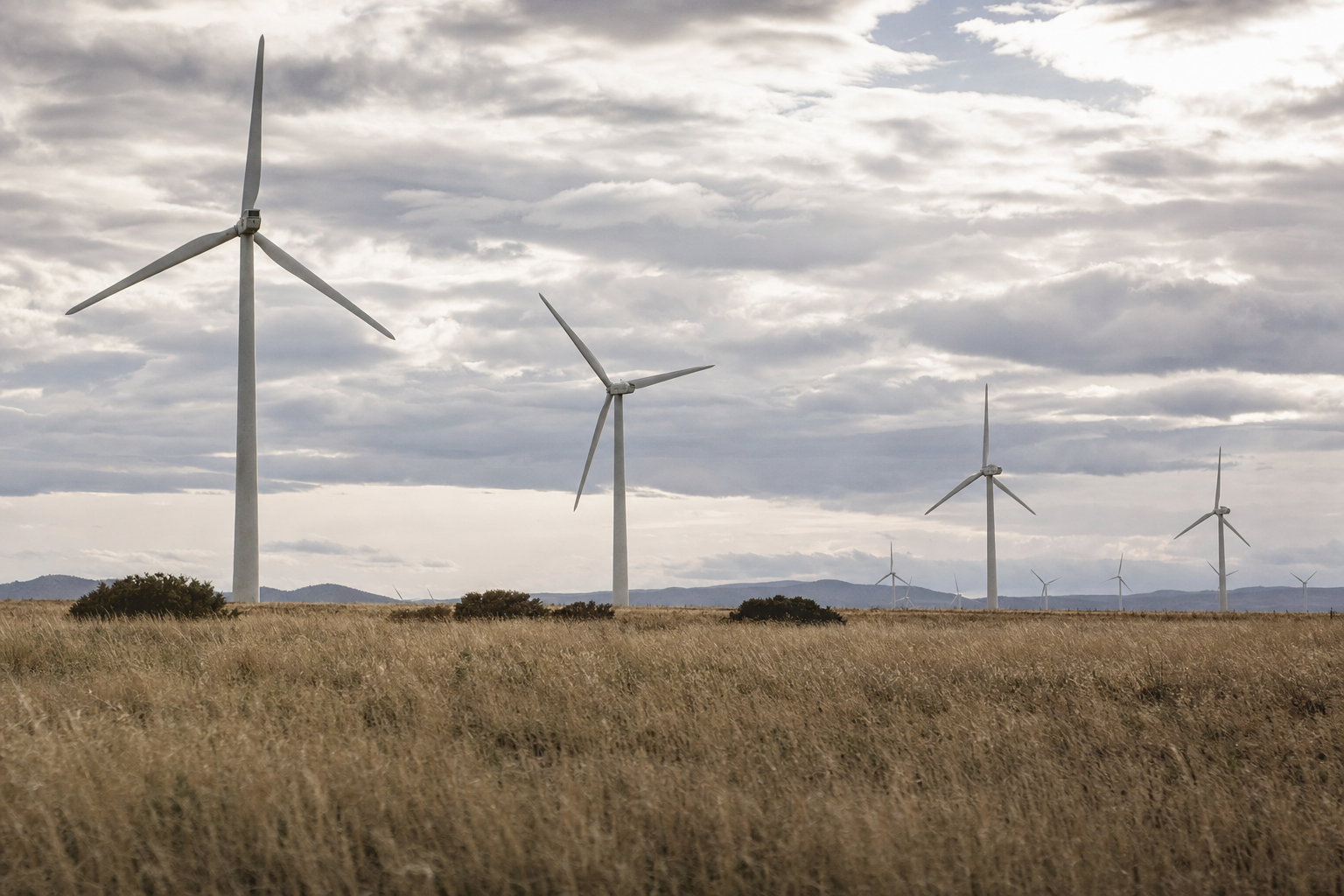
Tourmaline Oil Corp. director Jill Terilee Angevine bought shares on July 2, 2026, spending about EUR 29,150 in a filing that sits inside a broader insider buying cluster. The stock closed that day at CAD 59.71, which matters because this was not a token purchase at a distressed price. It was a director buying into a name that had already been bid up from the low 40s earlier in the year, and that is a different kind of signal.
The tape around it was not friendly. The S&P/TSX Capped Energy Index was trading near 373 to 375 in early July 2026 and had fallen roughly 3.9 percent over the prior week, while WTI crude hovered around USD 68 to 70 a barrel and Brent around USD 70 to 72. Canadian energy was not being rewarded for good behavior. It was being dragged around by softer commodity pricing and a market that had little patience for anything cyclical. That is the backdrop you want when you read an insider buy. If management is buying there, the burden of proof shifts a little.
What the cluster says that one filing does not
Insiders Trades data puts this in a cluster, not a one-off. Six distinct insiders have traded Tourmaline in the same direction over the past quarter, and the recent declarations list repeated buying from Jill Terilee Angevine, CEO Mike Rose, and director Travis Toews. That matters more than the size of any single ticket. A lone director buy can be a courtesy gesture, a portfolio rebalancing footnote, or a small expression of confidence. A cluster across multiple insiders, including the CEO, is harder to wave away.
The company-specific detail is also worth sitting with. Angevine had earlier purchases in 2026 at lower prices around CAD 42 to 44, while Rose bought multiple times in June near CAD 59 to 61. That is not the same trade repeated mechanically. It is a sequence that spans a much higher share price and still keeps the bid coming. If you are weighing this name, that is the part to focus on. The insiders are not buying because the stock is cheap in the abstract. They are buying after a strong move and while the sector is under pressure. That is a cleaner read on conviction.
The historical cohort data is decent, but keep it in its lane. For the Directeur · Mega bucket, the 90 day win rate is 54.5 percent, with an average return of 2.84 percent. Over 365 days, the average return is 33.58 percent. Those are historical bucket statistics, not a promise about Tourmaline, and not a forecast for this filing. They tell you that this role and size bucket has not been noise in our data. They do not tell you that this particular buy will work.
Tourmaline is not a random energy name
Tourmaline sits in a part of the Canadian energy complex that has a different operating rhythm from the oil sands heavyweights. It is a major natural gas and liquids producer with a focus on Montney development and LNG-linked volumes, which gives the company a different sensitivity to gas markets, export optionality, and infrastructure than a pure crude story. That distinction matters when the sector is wobbling. A broad energy selloff can flatten the whole group, but the underlying drivers are not identical.
The peer set in the grounded research gives you the comparison frame. ARC Resources and Whitecap Resources trade at lower absolute price levels, with Whitecap recently near CAD 14.70 and ARC around CAD 29 to 30 in comparable periods. Tourmaline, by contrast, carries a market capitalization near CAD 23 billion and has been described in recent analyses as having lower leverage metrics than some peers. That combination, scale plus balance sheet discipline, is why the stock often trades as a quality name inside the Canadian energy basket. It also means insiders buying here are not fishing in a distressed microcap pond. They are buying a large, liquid, widely watched producer.
That is why the July 2 filing has more texture than the usual director purchase. Tourmaline is not fighting for survival. It is fighting for multiple. When a company like this buys stock into a weak energy tape, the market has to decide whether the insiders are simply averaging into a high quality franchise or whether they are leaning into a setup they think the market is underestimating. You do not get the answer from one filing. You do get a better question.
The tape is doing some of the talking
The sector backdrop is not subtle. Canadian energy has been under pressure, the TSX has had recent sessions where energy and materials weighed on the index, and the broader market has not been offering much sympathy. At the same time, Canadian oil and gas output continues to hit records, supported by infrastructure expansions, even as global price volatility and policy uncertainty remain in the frame. That is a classic setup for dispersion. The sector can look weak while the better operators keep compounding underneath it.
Tourmaline has usually been treated as one of those better operators. The company declared its quarterly base dividend on June 3, 2026, which is a reminder that this is a cash-generating producer, not a story stock living entirely on future promises. But the dividend alone does not make the stock cheap, and it does not make the insider buying automatically bullish. What it does do is anchor the read. If management is buying while the company is still returning capital and the sector is soft, the market is being told that the current tape is not enough to scare them off.
That is where the read breaks down if you overreach. Energy names can look cheap for a reason, and commodity exposure can overwhelm even a good operating record. WTI at USD 68 to 70 and Brent at USD 70 to 72 are not disaster prices, but they are not the kind of backdrop that lets a gas and liquids producer ignore macro gravity. Tourmaline can be high quality and still be hostage to the tape. The insider cluster does not change that. It only tells you where management is standing while the market argues with itself.
Why this filing is more than a courtesy buy

The score on this name is 48, and the reason it is not lower is straightforward. It was filed by an operating director, it sits inside a wide cluster, and the filing value is small relative to market cap, which is exactly the kind of conviction proxy our scoring leans on. The euro-normalised filing value near EUR 29,150 is not huge in absolute terms, but that is not the point. The point is that the buy came from a director in a cluster that includes the CEO and other insiders, not from a random one-off filing with no follow-through.
Insiders Trades data also shows the cluster is recent and active, with 12 recent declarations and six distinct insiders trading the name in the same direction. That is the sort of pattern that tends to matter more than a single headline transaction. It does not guarantee anything. It does, however, tell you that the people closest to the business are not stepping back from the stock while the sector is weak. In a market that often mistakes inertia for conviction, that distinction matters.
You should still keep the scale in perspective. EUR 29,150 is not a life-changing amount for a director at a company of this size, and the filing value is tiny relative to Tourmaline’s market capitalization of about EUR 23.0 billion. That cuts both ways. It means the trade is not a grand public statement. It also means the insiders are buying with their own money in a way that is hard to dress up as optics. The market does not need a heroic interpretation here. It needs a sober one.
What the historical bucket says, and what it does not
The historical cohort data for the Directeur · Mega bucket is the most useful internal context here, precisely because it is modest. A 54.5 percent 90 day win rate and a 2.84 percent average return are not the kind of numbers that let anyone pretend insider buying is a magic trick. They are, however, enough to say that this bucket has had a real edge over a large sample of 58,143 observations. The 365 day average return of 33.58 percent is stronger, but again, that is a historical bucket result, not a forecast and not a promise that Tourmaline will follow it.
That caveat matters because readers can get lazy with insider data. They see a cluster, they see a positive bucket, and they start drawing a straight line from filing to price. That is not how this works. The better use of the data is narrower. It tells you that this kind of insider, in this size bucket, has not been random in our history. It also tells you that the signal is strongest when it appears in a cluster, which is exactly what you have here.
Our strategy data is worth mentioning only with the same discipline. The point-in-time backtest Sharpe of 1.17 (CI95 [0.28, 2.33]) and CAGR of 12.5% (STOXX Europe 600 on the same dates: 9.3%) come from a restricted EU venue universe, and they do not survive search aware deflation. The window is short and single regime. Useful, yes. Portable as a guarantee, no. If you are reading Tourmaline through that lens, the right conclusion is not that the strategy has solved energy. It is that the signal has enough structure to deserve attention when the tape and the filing line up.
The setup from here
Tourmaline is in a familiar but still live tension. The company is large, liquid, and generally viewed as one of the better names in Canadian energy. The sector is soft. Commodity prices are not helping. The stock has already moved from the low 40s earlier in 2026 to around CAD 59.71 on July 2, which means insiders are buying after a strong run, not before one. That is the part that keeps this from being a simple value story.
If you are trying to decide whether the filing matters, the answer is yes, but only in context. A director buy on its own is a small thing. A cluster that includes the CEO, repeated buys at higher prices, and a sector backdrop that has turned unfriendly is a different thing. It does not make Tourmaline immune to commodity risk. It does not make the stock cheap. It does tell you that the people running the business are still willing to add exposure while the market is less enthusiastic.
That is the read. Not a promise, not a thesis in a filing, just a useful piece of evidence. In a sector where the tape has been doing most of the talking, Tourmaline’s insiders have answered back with their own money.
Sources and what they add
The filing trail is visible in the insider transaction feeds and in the company-specific insider pages. The sector and market backdrop comes from TSX energy index data, commodity quotes, and Canadian energy context. Tourmaline’s investor relations page confirms the June 3, 2026 quarterly base dividend, which helps anchor the capital return backdrop around the filing.
The useful part is not that every source says the same thing. It is that they line up on the same basic picture. Tourmaline had a director buy on July 2, 2026. It sat inside a broader buying cluster. The sector was weak. The company remained a large, cash-returning producer with a quality profile relative to peers. That is enough to make the filing worth reading, and enough to keep the conclusion disciplined.
Sources and further reading
- finance.yahoo.compress
- marketbeat.compress
- insiderscreener.compress
- theglobeandmail.compress
- gurufocus.compress
- simplywall.stpress
- tourmalineoil.compress
- docs.publicnow.compress
This is not investment advice.