
AI servers, margins, and the stock that keeps re-rating
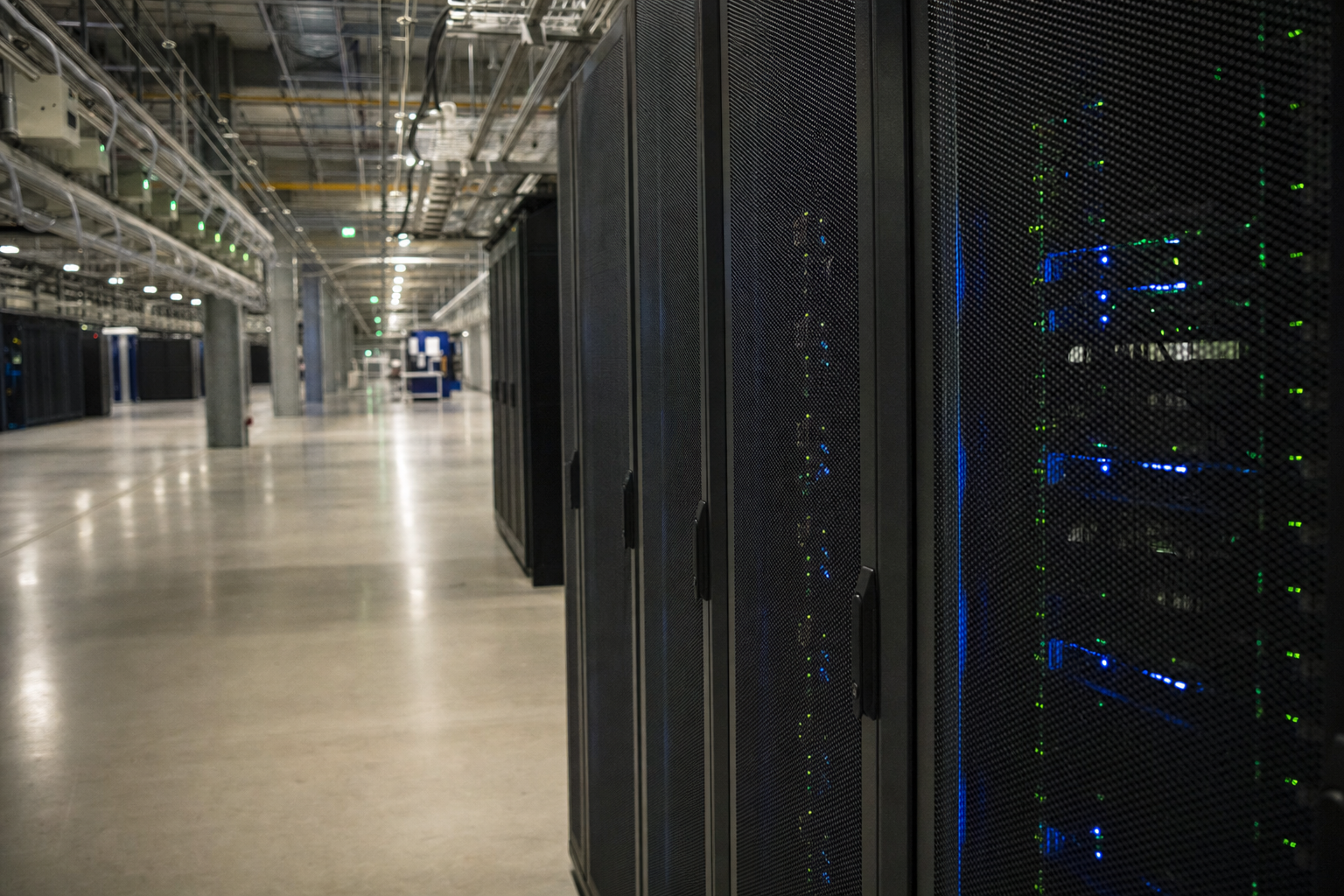
Dell is not being valued like a sleepy PC vendor anymore. The market has pushed it into the front row of the AI infrastructure trade, where server shipments, rack-scale systems, storage, and enterprise refresh cycles all feed the same rerating. That matters because the stock does not need a perfect quarter to move. It needs the market to keep believing that the company can keep turning AI demand into revenue, backlog, and eventually cash.
The backdrop is familiar if you have watched this tape for the last year. Hewlett Packard Enterprise has ridden the same AI server wave, though Dell has outpaced it. Super Micro Computer has also been pulled higher by the same demand cycle. Dell, though, has the cleaner scale story among the named OEMs in the research here, and that is why the stock has been able to hold a premium even after a huge run. Shares were up more than 320% year to date through early September, and on September 9 they closed at $535.25 after trading as high as $562.99 intraday.
That is the setup. A stock that has already done a lot, a business that is still tied to one of the strongest capex themes in the market, and a set of insider sales that arrived while the chart was pressing toward fresh highs.
Dell makes money the old-fashioned way, by moving hardware at scale and taking a cut from the infrastructure buildout. PCs still matter, but the market is paying for servers, storage, and the systems that sit under AI workloads. When the company says AI-optimized server revenue reached $16.4 billion in its fiscal second quarter, up 100% or more year over year in recent periods, that is the business model the stock is trading on. Revenue of $46.97 billion, up 57.7%, and adjusted EPS of $7.04 tell you the cycle is not just a story about order flow. It is showing up in the numbers.
The other figure that keeps the market interested is the backlog. Dell reported a record $95 billion AI-server backlog and raised full-year fiscal 2027 revenue guidance to $192 billion. Those are not small adjustments. They tell you the company is not merely catching a one-quarter burst of demand, it is sitting inside a longer procurement cycle tied to data-center buildouts and AI rack deployments. That is why analysts have stayed constructive, with Evercore ISI lifting its target to $650 and calling Dell a top pick, while the consensus target sits near $557.
The comparison with HPE matters because it shows how the market is sorting winners inside the same theme. HPE has rallied too, up more than 120% year to date, but Dell has been the stronger name and is trading at roughly 20 times forward earnings versus HPE around 17 times, according to the research provided. That premium is not free. You are paying for execution, scale, and the belief that Dell can keep converting AI demand into earnings faster than peers.
The first filing belongs to Jennifer D. Saavedra, Dell’s Chief Human Resources Officer. She sold 25,251 shares on September 4, reported on September 9, at an average price of $520.00 for about EUR 11.3m, euro-normalised filing value. Her direct holdings fell by about 7.8% to 296,891 shares. The second came from Chief Marketing Officer Jane Tunnell, who sold 5,436 shares at $523.51 for roughly EUR 2.45m and was left with 41,539 shares.
Those are not the only sales in the cluster. The filings were followed by larger sales from Silver Lake affiliated entities around September 3, including blocks totaling tens of thousands of shares at prices in the $507 to $528 range. InsiderTrades data marks the name as a cluster, with six insiders trading the same name in the same direction over the past quarter and 12 recent declarations. That is the part the market should not ignore. When multiple insiders lean the same way into a stock that has already rerated hard, the message is usually about exposure management, not a single person’s housekeeping.
The size of the individual sales also matters. Saavedra’s sale was large in absolute terms, but it was still a negligible fraction of Dell’s market value, under 0.01% according to our scoring rationale. Tunnell’s sale was smaller still. So this is not a balance-sheet event, and it is not a sign that the company has suddenly lost faith in its own AI story. It is a cluster of sales into strength, from executives and affiliated holders who have every reason to know how much of the good news is already in the price.
The market has been willing to look through insider selling in names tied to the AI buildout because the underlying demand has been so strong. Dell’s own numbers are the reason. A $95 billion backlog is not the kind of figure that gets dismissed by growth investors, and the raised fiscal 2027 revenue guide to $192 billion gives the stock a long runway narrative. Add the Goldman Sachs conference comments from Michael Dell about the company’s position across PC, server, storage, and AI rack-scale infrastructure, and you get a business that is still being sold as a platform for the next phase of enterprise spending.
That is why the insider sales do not automatically change the story. They do, however, change the burden of proof. When a stock is up more than 320% year to date and has already printed a fresh intraday high near $563, any sale from a senior executive gets read against the same question: how much of the AI optimism is already embedded? Dell does not need to disappoint for the stock to stall. It only needs the pace of backlog conversion or margin expansion to come in a touch less clean than the market has been pricing.
The peer context sharpens that point. HPE has participated in the same trade but has not matched Dell’s move. Celestica has also benefited from the same supply-chain exposure. The whole group has been lifted by AI infrastructure spending, but Dell has become one of the market’s preferred expressions of that theme. Preferred does not mean cheap. It means crowded with expectations.
InsiderTrades data puts the historical T+90 cohort for director-level buys at mega-cap names at 5264 observations, with a 47.2% win rate and a 0.58% average return over 90 days, plus an 87.53% average return over 365 days. That is historical cohort data, not a forecast for Dell, and it is not a promise that this filing will lead to anything in the stock. It is simply the kind of bucket read that helps you avoid over-reading a single trade.
The more useful part here is the mismatch between the cohort bucket and the actual filing. This is not a director-level buy. It is a cluster of sales, including operating executives and affiliated holders, into a stock that has already run hard. So the cohort stat is mostly useful as a reminder that insider data works best when you respect the bucket. A buy from a director at a mega-cap name is not the same animal as a sale from a senior executive into a record print. The historical numbers are there to keep you honest, not to hand you a shortcut.
Our scoring also leans on the fact that the filing came from an operating director, sat inside a wide cluster, and involved a euro-normalised filing value near EUR 11.3m. Those are the ingredients that make the activity worth attention. They do not make it predictive. They make it relevant.
Dell’s problem, if you want to call it that, is not demand. Demand is the easy part right now. The harder question is how much of that demand can be turned into durable earnings without the market paying too much for the next leg of growth. The stock’s move has already done a lot of the work for the bulls. When a name is up more than 320% year to date, the market is no longer asking whether the story is real. It is asking whether the story has become expensive.
That is where the peer comparison helps again. HPE trades at a lower forward multiple, around 17 times earnings, while Dell sits closer to 20 times. That spread is not huge, but it is enough to matter when the market starts to get picky. If Dell keeps delivering AI backlog conversion and margin support, the premium can hold. If the pace slows, the premium becomes a target. The insider sales do not prove that slowdown is coming. They do tell you that some of the stock’s own holders chose this level to reduce exposure.
The analyst backdrop remains supportive, with a Moderate Buy consensus and an average 12-month target near $557. That is only a little above where the stock closed on September 9. So the market is not pricing a collapse. It is pricing continued execution. That leaves less room for disappointment than the headline AI narrative might suggest.
The next test is not whether Dell can keep talking about AI. It already can. The test is whether the company keeps turning backlog into revenue without losing the margin profile that has helped justify the rerating. Watch the next update on AI-server revenue, the pace of backlog conversion, and whether management keeps lifting guidance the way it did for fiscal 2027. Those are the operational markers that matter more than the filing itself.
Watch the stock too. Dell closed at $535.25 on September 9 after an intraday high of $562.99, which means the market has already absorbed a lot of good news. If the shares keep holding near those levels, the insider sales will look like routine de-risking into strength. If the stock starts to lose altitude while the AI narrative stays loud, the same filings will look more timely. Either way, the trades from Saavedra and Tunnell are a reminder that the people running the business are not buying the stock at this level.
The final point is simple. Dell remains one of the clearest public-market ways to express AI infrastructure spending, but the easy money in the rerating has already been made. The filings on September 9 do not break the story. They do tell you that some of the company’s own insiders preferred to sell into a record-area price rather than add to it, and the next quarterly update will have to do more than repeat the AI script to keep the stock moving.
Dig deeper: Dell Technologies Inc.'s full insider filing history.
This is not investment advice.
Circle’s product chief sold $2.68m of stock under a 10b5-1 plan as USDC growth, rate sensitivity and a six-insider clust...
Oklo insider selling clustered around a 10 GW AI-nuclear buildout. Here is how the September 8 filing reads against peer...
DocuSign’s CFO sold EUR 3.1m after a recent run lower. Read the filing against AI-driven SaaS peers, rates, and the stoc...
Delek director Vicky Sutil sold EUR 393,580 under a 10b5-1 plan while refining margins stay hot and peers keep ripping h...
Charles Collier sold 20,538 Roku shares for about EUR 3.22m while the Fox deal and CTV ad market keep the stock in focus...
Tarsus posted 69% XDEMVY growth, then three insiders sold in early September. Here is what the filings say against biote...