Why the cluster matters more here than it would in a bigger name
A cluster in a junior or developer is not the same as a cluster in a bank or a software giant. In a larger company, insider buying can be a gesture, a compliance habit, or a small expression of confidence that barely registers against the float. In a name like Osisko, where the market cap is still under a billion euros and the story is tied to project progress, multiple insiders buying in the same month can matter because it lines up with the way these stocks trade. They move on narrative, but they also move on whether the people closest to the asset are willing to put fresh money behind it.
The recent declaration list shows that this was not a one-day event. Mance bought on July 30. Njegovan bought on July 30. Glencore Canada Corporation bought on July 29, and Agnico Eagle Mines Limited bought on July 27. Earlier July entries include other declarations from Glencore Canada Corporation as well. That sequence is enough to say the buying has been persistent. It does not tell you the insiders know something the market does not. It does tell you they have not been deterred by the stock’s recent run, and that is a more useful read than the usual boilerplate about alignment.
The market has already rewarded the sector, so the question is whether Osisko can keep up. That is where the filing becomes interesting. If copper stays firm and the company keeps delivering drill data at Gaspé, the stock has room to remain a trading vehicle for people who want leverage to the metal without buying a producer. If copper rolls over, the same stock can give back a lot of the move quickly. The insider buying does not remove that risk. It just tells you the buying is happening while the sector is open, not after it has already closed.
Gaspé, Pine Point, and the market's current read
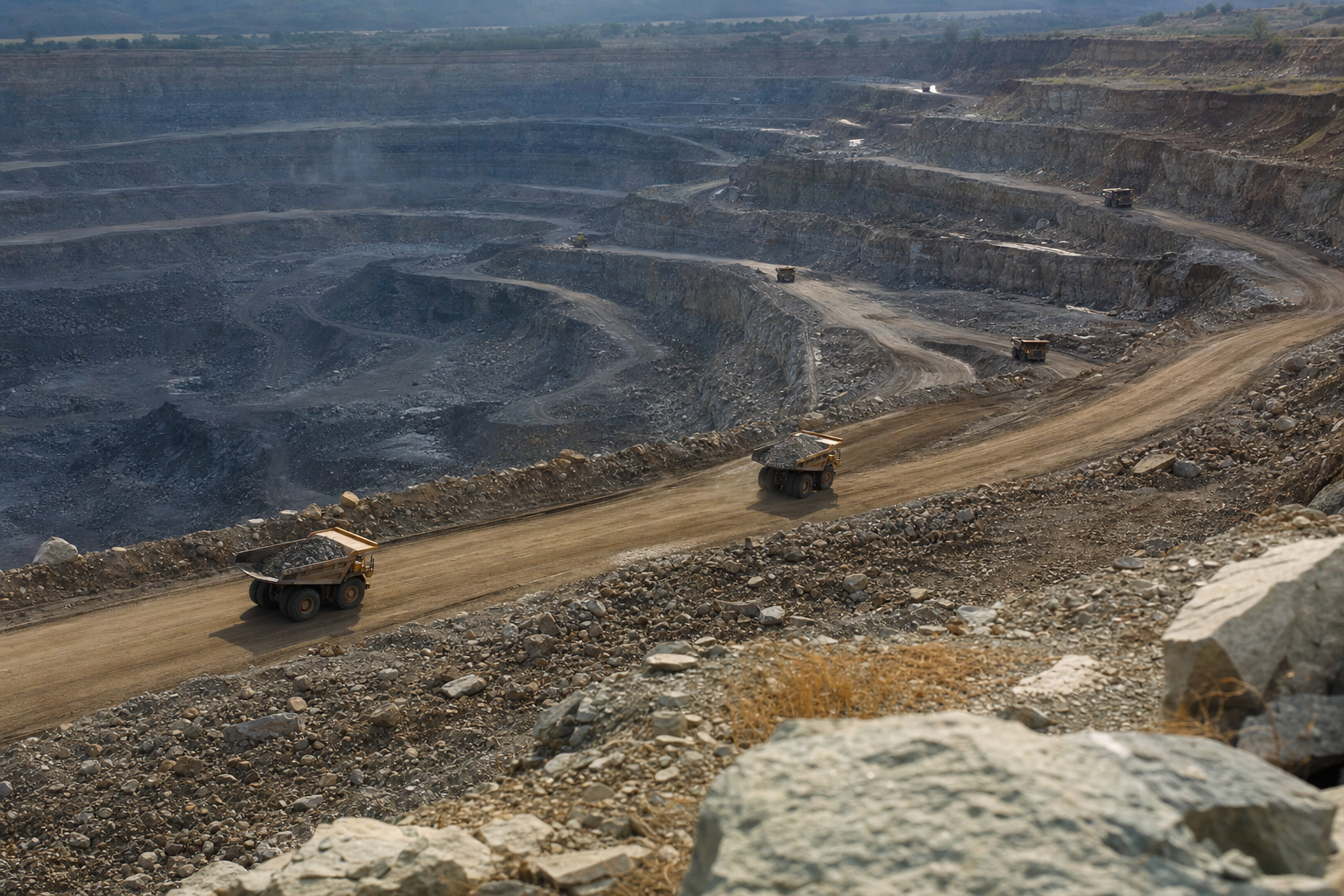
Gaspé Copper is the asset that gives Osisko its torque to the copper cycle. Pine Point keeps the base-metals optionality alive, but the market is not paying up for optionality in the abstract. It is paying for assets that can show scale, grade, or a path to value creation. The 320-metre intercept averaging 0.38 percent copper is the kind of result that keeps Gaspé in the conversation because it supports the idea of resource expansion. It does not solve the capital intensity problem that comes with moving a project forward. It does not turn a developer into a producer. It does keep the market engaged.
That is why the sector backdrop matters so much. Copper is not just up because traders are chasing momentum. The market is still leaning on structural supply constraints and demand growth tied to electrification and infrastructure. Forecasts cited by sector commentary have 2026 average prices in the US$5.50 to US$6.00 per pound range. Whether those forecasts prove right is another matter. What matters for Osisko is that the market is willing to underwrite the idea that copper stays constructive long enough for project stories to matter. When that happens, insider buying in a name like this stops looking like background noise and starts looking like a deliberate choice to buy into the same window the market is using.
Where the filing breaks down, and what you still have to watch
The obvious risk is that the stock has already moved. A nearly 10 percent session gain on elevated volume can attract momentum money that has nothing to do with the insider filing. If the move was mostly sector beta, the filing may end up looking like a well-timed buy into strength rather than a deeper statement about the company. That is not a bad outcome, but it is a different one. You should not confuse the two.
The second risk is that Osisko is still a development and exploration story. That means drill results, project milestones, financing, and commodity prices all matter more than a single filing. The company has continued to emphasize Gaspé, and the market will keep asking whether the next set of results justifies the current attention. If copper stays strong, the stock can keep trading with a tailwind. If the metal cools or the project cadence slows, the insider cluster will not save it. It never does. What it can do is tell you that the buying is coming from inside the name while the sector is still giving the stock a chance.
The next print that will matter more than the last one
The next thing to watch is not another abstract insider summary. It is whether Osisko keeps producing project news that the market can trade against, and whether the stock can hold its recent gains if copper remains firm. The July 30 buy by Lili Mance, the same-day purchase by Njegovan, and the earlier July buying from Glencore Canada Corporation and Agnico Eagle Mines Limited give you a cluster worth respecting. They do not give you a thesis by themselves. The thesis still depends on copper, on Gaspé, and on whether the market keeps paying for base-metals torque instead of moving on to the next theme.
If you want the cleanest practical read, it is this. Osisko is a small enough name for insider buying to matter, a copper-linked enough name for the sector to matter, and a project-stage enough name for execution to matter more than any single filing. That is why the July cluster deserves a place on your list. The next real test is whether the stock can keep trading near C$1.60 while the company keeps advancing Gaspé and the copper market stays constructive.
Dig deeper: Osisko Metals Incorporated's full insider filing history.