
Copper, the TSX, and why Osisko is in the frame
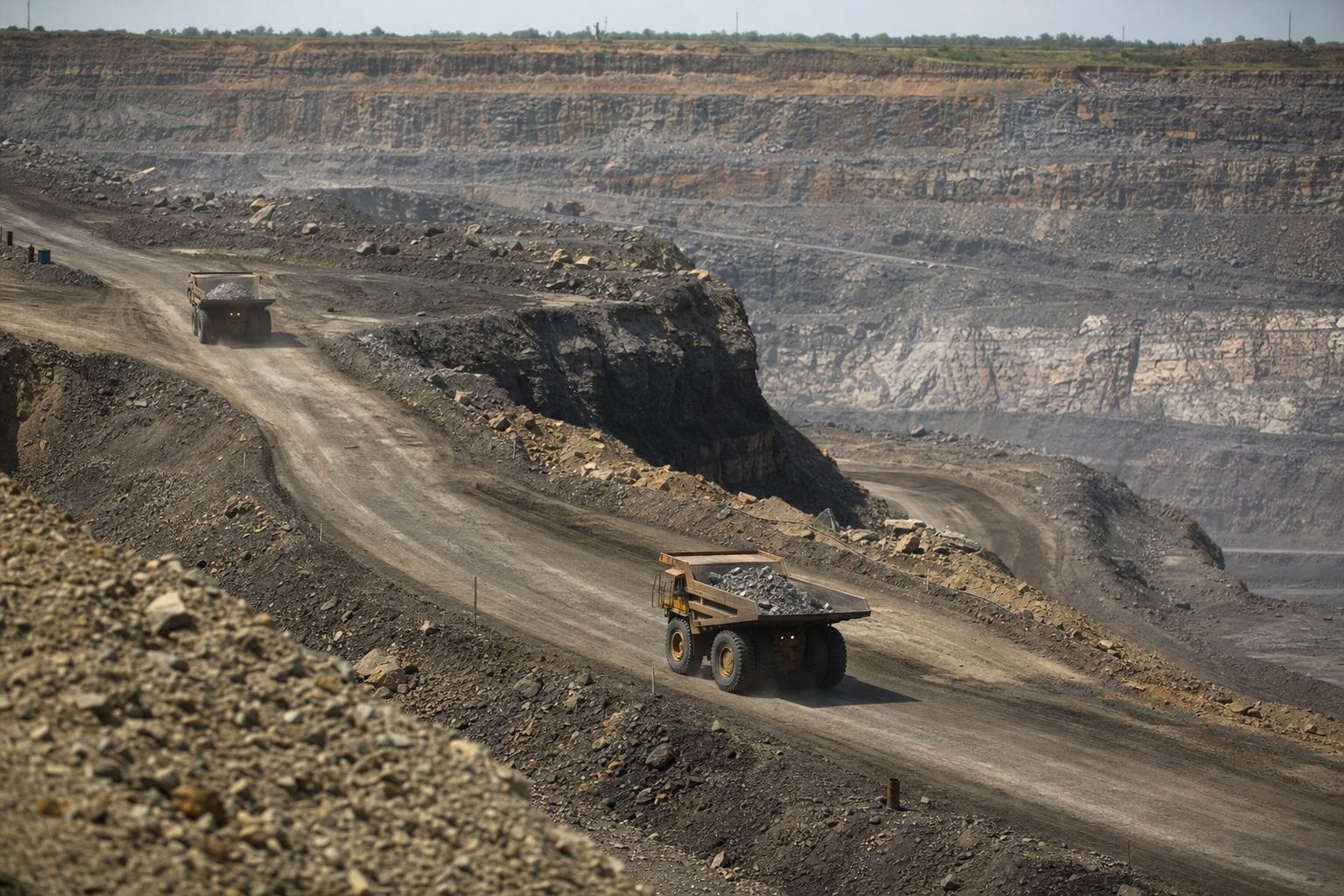
Copper developers have had a better seat at the table than they did a year ago. The reason is not mysterious. The market keeps circling back to electrification demand, grid buildout, and the data-center load that keeps pulling on power and metals at the same time. Canadian resource names have also benefited from a broader rotation into miners, and the TSX Venture has been one of the places where that money has shown up first.
Osisko Metals sits right in that lane. It is not a producer with cash flow to lean on. It is a copper exploration and development story, and those names trade on a narrower set of questions than the majors do. How big is the resource. How clean is the geology. How much capital will it take to move the project. How much of the story is already in the price. That is the frame you want before you look at any insider filing.
The comparable names matter here because they tell you what kind of market this is. Lundin Mining gets attention because it already has production and a more obvious operating base. Osisko does not. It is closer to the brownfield developer set, where the market pays for scale, location, and the chance that the next technical milestone de-risks the asset. That is a different trade. It can rerate fast, and it can also stall if the market decides the timeline is longer than the slide deck implied.
The company’s flagship is Gaspé Copper in Quebec, described in the public materials as the largest undeveloped copper resource in eastern North America. That is the kind of line junior miners use often, but here the project has enough scale and enough recent drilling behind it that the market has kept paying attention. Junior Mining Network reported a 320 metre intersection averaging 0.38% copper, which is the sort of interval that keeps a resource expansion story alive while the technical work continues.
The next marker is a planned preliminary economic assessment in 2026. That matters because exploration names can drift for months on geology alone, then get a sharper bid when the work turns toward economics. A PEA does not solve everything. It does not build a mine, and it does not erase capex risk. But it gives the market a more concrete way to argue about value, and that is usually when the gap between the story and the stock starts to close, or widen.
Osisko is also not coming into this from a blank sheet. The company reported a second-quarter net loss of C$84.13 million, and the shares rose 20.8% after that print. That kind of reaction tells you the market is already willing to look through current losses if the asset base and the development path stay credible. It also tells you the stock is not being priced like a sleepy balance-sheet story. It is being priced like a project with a future event calendar.
The premium valuation makes that even clearer. Yahoo Finance-linked market data put Osisko at a price-to-book ratio of 12.8x, versus 2.8x for the Canadian metals and mining industry average and 9.1x for the peer average. When a developer trades above the pack, the market is already paying for something. Usually it is scale, location, or a belief that the next technical step will matter. Sometimes it is all three. Sometimes it is just enthusiasm that has outrun the drill core.
The filing itself is straightforward. On August 9, 2026, director John Feliks Burzynski bought shares in two transactions totaling approximately EUR 1.785 million, euro-normalised at ingest. The individual purchases were roughly EUR 869,299 and EUR 916,620. Both were marked as buys, both were tied to the same date, and both sit inside a broader insider buying cluster.
That cluster detail is the part that matters more than the headline number alone. InsiderTrades data shows five distinct insiders trading the name in the same direction over the past quarter, with 12 recent declarations in the cluster set. The recent list includes Burzynski, Lili Mance, Donald Robert Njegovan, Glencore Canada Corporation, and Agnico Eagle Mines Limited. This is not one lonely director trying to catch a bounce. It is a wider pattern of buying around the same name.
The market cap context gives the trade some weight. The filing value was about 0.08% of the company’s market value, which is not trivial for a director-level buy in a mid-cap name. A purchase that size does not force a thesis by itself, but it does tell you the buyer was willing to put real capital behind the position. That is the kind of detail you want when a stock already trades at a premium and the project is still in development mode.
InsiderTrades data scores the filing at 56. The score is doing a narrow job here, not a grand one. It is picking up the operating-director role, the cluster, and the size of the buy relative to market value. That is enough to sharpen the read. It is not enough to turn the filing into a forecast.
Our cohort data for director-level buys at mid-cap names gives you a historical frame, not a promise. Across a sample size of 3,853, the 90-day win rate is 53.4%, the average 90-day return is 5.6%, and the average 365-day return is 66.82%. That is the kind of backdrop that keeps you from treating a director buy as noise, but it does not tell you what Osisko will do next week or next quarter.
The bucket matters because role and size change the meaning of the trade. A director-level buy at a mid-cap developer is not the same thing as a token purchase from a passive board member, and it is not the same thing as a founder buying back stock after a collapse. Here, the buyer is an operating director, the company is in a capital-intensive copper story, and the filing lands while the project is still moving toward a PEA. That combination is why the trade deserves more than a glance.
The historical numbers also keep the read honest. A 53.4% win rate is better than a coin flip, but not by enough to let anyone pretend this is a clean edge on every name. The average 90-day return of 5.6% is modest. The 365-day average of 66.82% is much larger, but that is a longer window and a broader set of outcomes. You do not get to cherry-pick the horizon that flatters the story. You read the bucket as a rough map, then you check whether the company in front of you fits the terrain.
Osisko is not trading in a vacuum. Copper has a structural bid from electrification, and the data-center buildout adds another layer of demand that the market keeps revisiting. At the same time, the broader Canadian market has been rotating toward resources, which gives development names a friendlier tape than they had when growth stocks were doing all the work. That backdrop matters because insider buying in a weak sector often gets ignored, while the same filing in a sector with momentum can get more attention than the raw number would suggest.
The macro side is not all one-way support, though. The Federal Reserve held its federal funds rate target at 3.50% to 3.75% after its July 2026 meeting, with some officials dissenting in favor of a hike amid inflation concerns tied partly to energy prices. That is a reminder that capital-intensive developers still live with financing sensitivity. Higher-for-longer rates do not kill copper stories, but they do keep a tighter hand on valuation and on the market’s patience.
That is where Osisko’s premium valuation becomes a double-edged fact. A stock trading at 12.8x book is already being asked to justify itself. If the project advances cleanly, the market can keep paying. If the technical work disappoints, or if the path to economics stretches, the premium can compress quickly. The insider buy does not remove that risk. It simply tells you the boardroom is willing to lean in while the market is still paying up.
The analyst side is also supportive, at least on paper. Yahoo Finance shows a strong buy consensus with an average price target of C$2.82. That is useful context, but it is not the same thing as a catalyst. Analysts can like a story while the stock does nothing for months. The filing is more interesting because it comes from someone with direct exposure to the asset and the development timeline, not from a model that updates after the fact.
Osisko has also been active on financing and project messaging, which is normal for a developer but still worth keeping in view. The company announced a C$15 million bought-deal flow-through share financing, and it has been talking up Gaspé Copper in investor materials and symposium appearances. That is the kind of capital-markets cadence you expect when a project is moving toward a more formal economic case.
The insider buy sits alongside that cadence rather than replacing it. A director buying stock does not fund a drill program, and it does not change the copper price. What it can do is tell you that someone with a close view of the project is willing to buy into the same timeline the company is selling to the market. In a name like this, that is more useful than a generic vote of confidence. It is capital committed while the story is still being built.
The cluster also matters because it reduces the odds that this was a one-off gesture. Five distinct insiders trading the same name in the same direction over the past quarter is a pattern, and patterns are what you want when you are trying to separate routine boardroom activity from something more deliberate. You still need the geology to work. You still need the economics to land. But the filing tells you the internal posture is not cautious.
That is why the trade deserves to be read against the stock’s existing premium, not against some abstract idea of insider optimism. If the market already likes the asset, insider buying can reinforce the bid. If the market is skeptical, the same filing can be dismissed as a board-level expression of faith. Here, with copper in favor, a PEA ahead, and a cluster behind the name, the market has more reason than usual to pay attention.
The next real checkpoints are concrete. The planned preliminary economic assessment in 2026 will matter more than any filing if it changes the market’s view of scale, capex, or project timing. Additional drilling at Gaspé will matter if it keeps extending mineralization in a way that supports the resource narrative. Financing terms will matter because they tell you how much dilution the market is being asked to absorb on the way to the next milestone.
The insider trade does not answer those questions. It does, however, tell you where one director is willing to stand while the answers are still pending. That is enough to make the filing relevant, especially in a name that already trades above the sector average on book value and has a project large enough to attract attention from both retail and institutional screens.
Insider filings are a signal, not a guarantee, and this one should be treated that way. The useful part is not the fantasy of certainty. It is the alignment between a cluster of buyers, a copper project with a real development calendar, and a market that is already paying for the possibility that Gaspé Copper becomes more than a long-dated resource story.
The next public marker is the 2026 PEA, and that is where the market will test whether the August 9 buying was early conviction or just another boardroom vote of confidence.
Dig deeper: Osisko Metals Incorporated's full insider filing history and Burzynski, John Feliks's filing track record.
This is not investment advice.
DEUTZ supervisors bought after the €179 million capital increase. Here is how the filings look against German machinery,...
Scandi Standard’s board is buying into a rights issue, a Glenhaven deal and a firmer chicken market. Here is what the fi...
Roche Bobois drew three board-linked buys in late September as luxury furniture stays soft, the stock slides, and peers ...
WashTec's supervisory board bought into a guidance reset, while Germany's machinery slump and a 6.6% H1 revenue rise fra...
Argo Investments drew a three-director buying cluster as rates stay restrictive and LICs compete on franked income, yiel...
Covivio drew a three-filing buy cluster on September 18 as European property stays under rate pressure and peers keep tr...