
Circular-economy policy is still doing the heavy lifting

The European waste business is not a glamour trade. It is a policy trade, a capex trade, and, in the better names, a pricing and execution trade. That matters now because the macro force behind the sector is still the same one that has been working for months, tighter EU rules around recycling, energy recovery, and secondary raw materials. The European waste management market was valued at USD 438.32 billion in 2025 and is projected to reach USD 461.38 billion in 2026, according to Market Data Forecast, with a 5.26% CAGR through 2034. The number is less interesting than the direction. Brussels keeps leaning on circularity, and the companies that already handle hazardous, industrial, and regulated waste get a cleaner shot at volume and pricing than the average industrial service name.
That is why the comparison set matters. Veolia Environnement is the obvious larger peer, broader across water and waste and therefore more diversified, but also less focused on the exact niche Séché occupies. Séché Environnement sits in hazardous and industrial waste treatment, which is a narrower lane and often the better one when regulation tightens. The company has also been pushing international expansion and performance initiatives aimed at EBITDA margin improvement. In a sector where compliance and infrastructure spending can be slow but sticky, that mix is what keeps the stock relevant when the market rotates toward defensives and away from rate-sensitive cyclicals.
The macro backdrop is not just policy. EU competitiveness debates have kept environmental services in the conversation because the bloc wants strategic autonomy without backing away from sustainability rules. That tension has helped the sector hold up even when broader economic uncertainty makes investors cautious about anything that needs heavy capital spending. Waste collection and treatment are not immune to growth scares, but they are less exposed than a lot of industrials to a single quarter of weak demand. You can see why the market keeps paying attention.
Veolia is the bigger name, Séché is the tighter one
Veolia trades like the broad environmental platform. Séché trades like the specialist. That difference is the whole point of looking at the filing against the sector rather than in isolation. When a larger peer has the scale to absorb more moving parts, the market tends to read it as a steadier compounder. When a smaller name keeps leaning into hazardous waste, international activity, and margin repair, the market asks whether execution can keep up with the policy tailwind.
S&P Global has already framed the 2026 picture for Séché in fairly plain terms. It expects 6.5% to 7.0% revenue growth in 2026, driven by international activity and 2.5% to 3% organic growth. Earlier commentary also affirmed a BB rating and pointed to a performance plan expected to lift like-for-like EBITDA by 5% to 10% in 2026 through cost savings. That is the operating backdrop. It is not a heroic story. It is a business trying to turn regulation, acquisition work, and cost discipline into a better margin profile.
Recent company updates fit that frame. Séché reported Q1 2026 revenue of EUR 311.3 million and said it was still executing its 2026 performance plan with free cash flow in focus. That is the sort of update that keeps the stock in the conversation for investors who care about cash conversion rather than just top-line growth. The company page at Séché Environnement is worth keeping open if you want the filing stream and the business context in one place.
The market cap here is EUR 644.5 million, which puts the name in the band where insider activity has historically been least priced in, at least according to our scoring framework. That does not make every buy meaningful. It does make the role of the filer and the size of the trade matter more than they would at a mega-cap. A chief executive buying his own stock in a sub-EUR 1 billion name is a different read from a director nibbling at a giant index constituent.
The filing came from the chief executive, and it was not the first one
On July 15, 2026, Maxime Séché bought shares worth about EUR 9,449, euro-normalised at ingest from the AMF filing. That is the latest entry in an ongoing insider buying cluster. It is also small in absolute euros, which is exactly why you should read it in context rather than in isolation. The same executive had already bought 5,290 shares on June 18, 2026, at EUR 84 for a total of EUR 442,560. That earlier trade is the one that tells you the scale of the commitment. The July 15 filing tells you the buying did not stop there.
Insiders Trades data gives this a 7.1 score, and the reasons are straightforward. The filer is the chief executive, the trade sits inside a cluster, and the company is a small to mid-cap name where insider information has historically been less efficiently priced. The filing value is also tiny relative to market value, about 0.00% of the company, which is not a balance-sheet event but does still count as a conviction marker. I am using that word once because it fits. The point is not that the trade changes the capital structure. The point is that the person running the company keeps buying into his own story.
The cluster matters because it changes the read from a one-off gesture to a pattern. Insiders Trades data shows 12 recent declarations in the cluster, with two distinct insiders and a run of buys from July 8 through July 15. The repeated filings by the same chief executive are the part that deserves attention. A lone buy can be noise. A sequence of buys, especially from the top executive, is harder to dismiss as routine paperwork.
That said, the filing is still a filing. It is not a forecast, and it is not a guarantee. The market has a habit of treating insider buying as if it were a clean signal of near-term upside. It is not that tidy. Sometimes insiders buy because they think the stock is cheap. Sometimes they buy because they want to show alignment. Sometimes they buy because they simply prefer to own more of the business they run. You do not get to know which of those motives is dominant from the filing alone.
What the cluster says when you put it next to the business
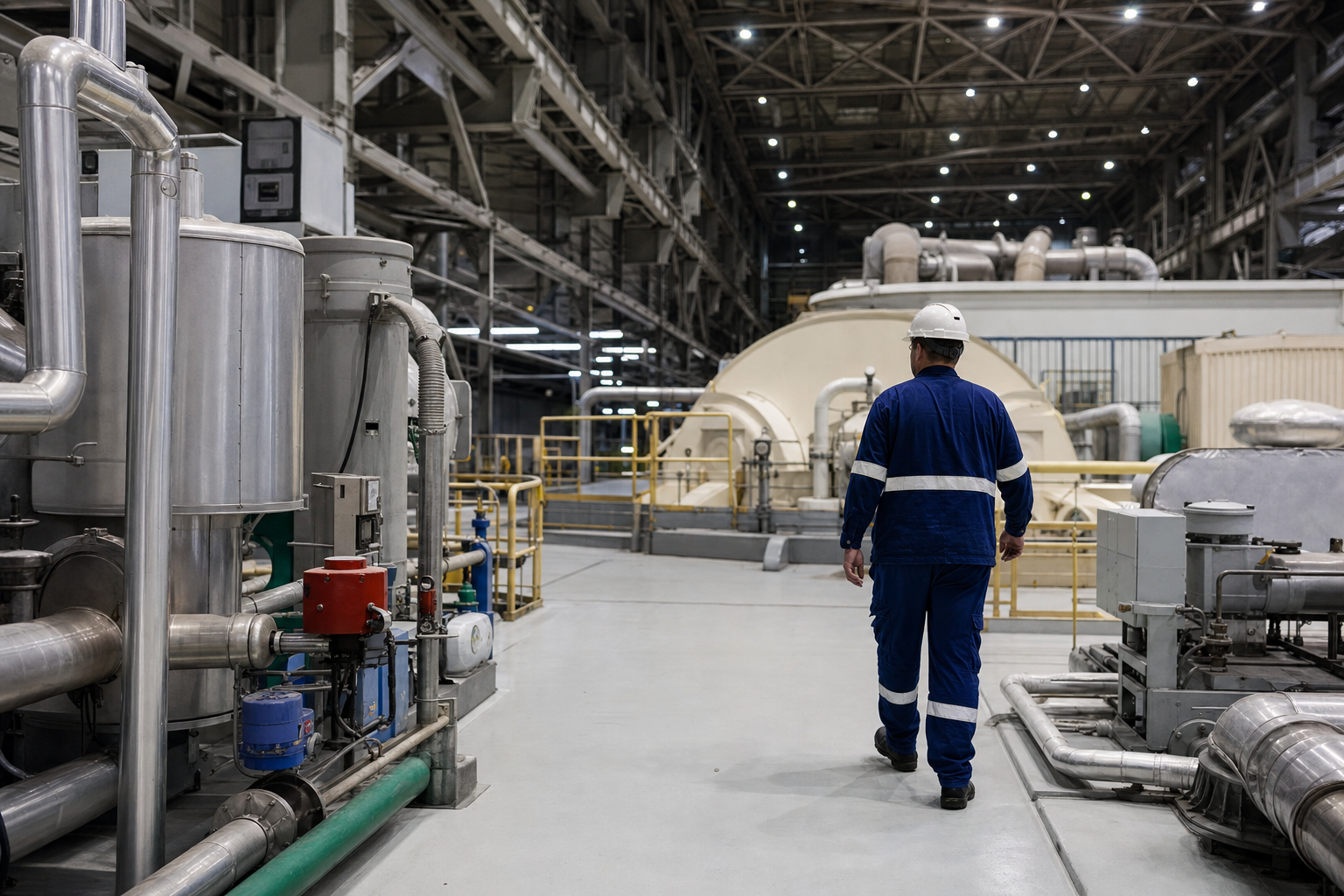
The business itself is not in distress. That matters. A chief executive buying into a deteriorating balance sheet story is one thing. A chief executive buying into a company that is still growing revenue, still pushing a performance plan, and still operating in a sector with regulatory support is another. Séché’s Q1 revenue of EUR 311.3 million and the 2026 free-cash-flow focus tell you management is still trying to convert sector tailwinds into cleaner financial output.
The fundamental screen in our dossier is middling rather than flashy. Insiders Trades data shows a fundamental score of 58, with a value score of 70 and a quality score of 46. Growth is not populated in the dossier, so I am not going to invent a story around it. The useful point is narrower. This is not a pristine compounder with every pillar lit up. It is a company with enough operational substance to make insider buying worth a second look, but not so much obvious momentum that the filing becomes redundant.
That is where the sector backdrop and the filing intersect. In a market that still rewards defensives, environmental services can look expensive until you remember what the business actually does. Waste treatment, especially hazardous and industrial waste, is not optional. Regulation keeps the demand base from disappearing. International expansion can add growth. Margin work can add leverage. If the chief executive is buying while those pieces are in motion, the market has to decide whether the stock already reflects the progress or whether the next leg is still underappreciated.
The comparable names help here too. Veolia gives you the broad, diversified version of the theme. Séché gives you the more concentrated one. Concentration cuts both ways. It can amplify execution. It can also amplify disappointment. That is why the insider cluster matters more than it would in a sprawling utility or a giant environmental platform. The market cap is smaller, the business is narrower, and the executive is buying repeatedly. Those facts belong together.
The historical cohort read, without pretending it is a forecast
Insiders Trades data puts chief-executive buys at sweet-spot names, meaning EUR 300 million to EUR 1 billion market caps, into a cohort with 7,128 samples. The 90-day win rate is 46.4%, the average 90-day return is 0.35%, and the average 365-day return is 18.38%. That is historical cohort data, not a promise about Séché Environnement, and it should be read that way. The short-horizon average is basically flat. The longer horizon is better, but it is still a cohort average, not a trade plan.
That is the useful discipline here. If you are only looking for a quick pop, the cohort does not hand you one. If you are looking for a pattern where chief executives buying in this size band have historically been followed by better longer-run outcomes than the immediate reaction suggests, then the data is at least directionally supportive. The problem is that the average hides a lot of dispersion. Some names work. Some do not. Insider filings do not erase that.
Our strategy framework sits on a 90-day holding period, with a max position size of 0.08. The point-in-time backtest headline is 1.17, 12.5% (STOXX Europe 600 on the same dates: 9.3%), and (figure withdrawn, see audit 231), and those tokens only make sense inside the restricted universe and caveats attached to the model. I am not turning that into a promise. I am using it as a reminder that the framework is a screen, not a verdict. The point is to separate names where the filing lines up with the business from names where it does not.
For Séché, it lines up reasonably well. The company is in a policy-supported sector. The business is still executing. The chief executive is buying more than once. The trade is small relative to market value, but the pattern is not. That is enough to keep the name on the list, not enough to declare victory.
What could break the story from here
The obvious risk is that the sector tailwind is already in the price. Environmental services names can get treated like bond proxies when the market wants defensives, and that can compress the upside if growth slows or if the market decides the policy premium has gone too far. Séché is not immune to that. A company with a EUR 644.5 million market cap and a BB rating does not get to ignore financing conditions, execution risk, or acquisition discipline.
Another risk is that the cluster is simply a function of management confidence rather than a strong near-term catalyst. That is not a trivial distinction. A chief executive can buy because he believes in the medium-term story while the stock still goes nowhere for months. The filing does not tell you timing. It tells you alignment. Those are different things.
The company’s own update cadence will matter more than the filing after this. The next revenue print, the next margin comment, and any further detail on the 2026 performance plan will tell you whether the free-cash-flow focus is translating into something the market can price. If international activity keeps doing the heavy lifting and the cost savings show up in EBITDA, the stock has a cleaner case. If not, the buying cluster will look more like confidence than foresight.
There is also the simple issue of size. The July 15 buy was about EUR 9,449. That is not the trade that changes a company. It is the trade that keeps a pattern alive. The June 18 purchase of EUR 442,560 is the larger tell. Together, they say the chief executive is still adding exposure after the first buy. That is the fact to keep in view when the next filing lands.
The next filing will matter more than the last one
The market does not need a sermon on insider buying. It needs a clean read on whether the filing fits the business and the sector. Here, it does. EU waste policy is still supportive, Veolia keeps the peer comparison honest, and Séché’s own operating updates show a company trying to turn regulation and execution into cash flow. The chief executive’s repeated purchases fit that picture better than they fit a one-off headline.
If you want the practical line, it is this. The July 15 buy is small, but it sits inside a larger buying pattern from the same executive, in a sector that still has policy behind it, at a company that is still talking about margin improvement and free cash flow. That is enough to matter. It is not enough to settle the case. The next AMF filing, or the next operating update, will tell you whether this cluster was the start of something more durable or just another round of management alignment.
Sources and further reading
- Spglobalpress
- Groupe-sechepress
- Insidersalphapress
- Simply Wall Stpress
- Fitchratingspress
- Quiver Quantitativepress
- Marketscreenerpress
- Nasdaqpress
This is not investment advice.